
Primary Aligner Sanitation Systems for Seoul Partners
Direct OEM & ODM manufactured ultrasonic cleaners optimized for the South Korean aesthetic dentistry market.
1. The Seoul Orthodontic Ecosystem: Micro-Demographics & Market Drivers
Seoul, South Korea, stands at the global epicenter of medical aesthetics, cosmetic dentistry, and advanced personal care technologies. Driven by the dense concentration of dental clinics in districts such as Gangnam-gu, Seocho-gu, and Yeongdeungpo-gu, the adoption rate of clear aligner therapies (such as Invisalign, ClearCorrect, and locally produced Korean aligner brands) has surged by more than 28% year-over-year. As patients shift away from traditional metal braces, the demand for specialized, compact, high-frequency aligner cleaning machines has transformed from a niche accessory into an indispensable daily hygiene necessity.
South Korean consumers exhibit unique behavioral traits: they demand ultra-compact industrial designs, whisper-quiet operation (<45 dB), medical-grade sterilization efficacy, and sleek aesthetic integration suitable for modern, space-conscious apartment living. For medical device distributors, dental chain networks, and personal care brands operating in Seoul, securing a direct OEM/ODM manufacturing partnership with an experienced global factory is critical to capturing market share and fulfilling strict local market expectations.
Gangnam Dental Corridor
Over 1,200 specialized orthodontic clinics in Seoul recommend clear aligner care systems to patients monthly, generating stable high-volume demand.
Strict MFDS Regulatory Criteria
Navigating South Korea's Ministry of Food and Drug Safety standards requires pre-validated electromagnetic compatibility (KC) and bio-compatible materials.
High-Frequency Cavitation Demand
Korean users prioritize 42kHz to 48kHz ultrasonic transducers capable of stripping invisible plaque biofilms without degrading delicate clear polymers.
2. Global Sourcing & Supply Chain Architecture
Analyzing procurement mechanics, freight logistics to Incheon, and total cost of ownership (TCO) for international brand managers.
Procurement directors sourcing aligner cleaning machines for distribution in Seoul must balance several core parameters: unit reliability, acoustic isolation, tooling customizability, landed cost efficiency, and factory scalability. Working directly with specialized manufacturers in Shenzhen provides a distinct competitive advantage over local trading intermediaries by offering direct access to tier-1 component suppliers, in-house plastic injection tooling, and dedicated automated assembly lines.
From an operational standpoint, shipping high-volume shipments to the Port of Incheon or Incheon International Airport (ICN) requires streamlined customs documentation, including KC Certification compliance receipts, UN38.3 lithium battery transport testing (for rechargeable models), and ROHS material test reports. Partnering with a vertically integrated OEM manufacturer eliminates supply chain friction, ensuring prompt lead times of 20 to 30 days from purchase order issuance to warehouse delivery in Seoul.
3. Technical Deep-Dive: Ultrasonic Physics, Cavitation & Biofilm Disruption
To deliver true Information Gain, procurement teams must understand the physical and acoustic mechanics underlying high-performance clear aligner cleaning systems. Standard mechanical brushing or chemical soaking often fails to clean microscopic grooves, attachment points, and inner concavities of thermoplastic orthodontic aligners. Ultrasonic cleaning solves this through high-frequency acoustic cavitation.
| Engineering Technical Parameter | Standard Retail Units | TTFACE Professional OEM Grade | Clinical / Commercial Impact |
|---|---|---|---|
| Ultrasonic Frequency | 28 kHz – 35 kHz | 42 kHz – 48 kHz (Dual-Sweep) | Finer cavitation bubbles penetrate micro-cavities without pitting thermoplastic resin. |
| Transducer Construction | Single low-cost ceramic disk | Piezoelectric Industrial-Grade PZT-8 | Higher energy conversion rate, 3x longer operational lifespan (>2,000 hours). |
| Sanitization Synergy | Ultrasonic wave action only | Ultrasonic + 265nm UV-C LED + HOCl Electrolysis | Achieves 99.99% log-4 reduction of Streptococcus mutans and Candida albicans in 3 mins. |
| Noise Level Isolation | 58 dB(A) – 65 dB(A) | < 45 dB(A) Silent Dampening Architecture | Meets high-end Seoul consumer standards for quiet morning and bedtime operation. |
| Internal Tank Material | 201 Stainless Steel or ABS | SUS304 / SUS316 Medical Stainless Steel | Eliminates corrosion, prevents leaching of micro-heavy metals, and facilitates easy cleaning. |
Acoustic Cavitation Mechanics Explained
When the high-frequency piezoelectric transducer vibrates against the SUS304 stainless steel basin, it generates alternating high-pressure and low-pressure sound waves in the water. During the low-pressure cycle, millions of microscopic vacuum bubbles form. During the high-pressure cycle, these bubbles violently collapse (implode)—a phenomenon known as cavitation.
The intense micro-jet shockwaves hit the surface of the aligner at micro-scale velocities, physically shearing off salivary proteins, calcified dental plaque, and bacterial biofilms without scratching the optical clarity of clear aligners like Invisalign or 3D-printed polyurethane appliances.
4. Future Technology Roadmap & Strategic Innovation (2026–2030)
Where aligner maintenance tech is heading, and how our R&D pipeline aligns with next-generation consumer demand.
Dual-Frequency Sweep & UV-C LED Hybridization
Integration of dynamic frequency modulation (switching between 42kHz and 48kHz) to eliminate acoustic dead zones in the cleaning basin while deploying sub-270nm UV-C LEDs for surface sterilization.
Integrated HOCl Electrolysis Chambers
Incorporating titanium-platinum electrolysis electrodes into the water reservoir to generate hypochlorous acid (HOCl) on-demand using simple tap water and mild saline, providing chemical-free oxidation.
Smart IoT Biofilm Turbidity Sensing
Miniaturized optical turbidity sensors embedded within the chamber to auto-detect particulate density and adjust ultrasonic cycle duration automatically, syncing patient compliance data via Bluetooth.
Wireless Power Transfer & Ultra-Portable Form Factors
Qi-compatible magnetic inductive charging platforms combined with aerospace-grade acoustic dampening, enabling pocket-sized travel aligner cleaners tailored for high-mobility professionals in Seoul.
5. Seoul Local Regulatory Framework & Quality Compliance
Entering the South Korean market requires rigorous adherence to local safety standards. As an experienced OEM/ODM provider, TTFACE manufactures hardware engineered to satisfy all Korean and international certification protocols:
KC Certification (EMC & Safety)
All electronic components, power adapters, and internal circuitry pass South Korea's National Radio Research Agency (RRA) requirements for electromagnetic compatibility and electrical safety.
MFDS Device Classification Guidance
Proper regulatory demarcation between consumer personal hygiene appliances and medical-grade sterilization devices to ensure rapid clearance through Korean Customs.
ISO 13485 & ISO 9001 Audits
Manufactured under strict medical-device quality management systems, complete with full lot traceability, incoming material inspection (IQC), and final QA burn-in testing.
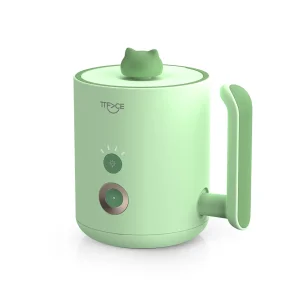
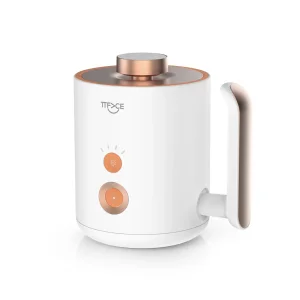
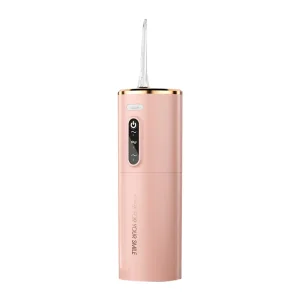
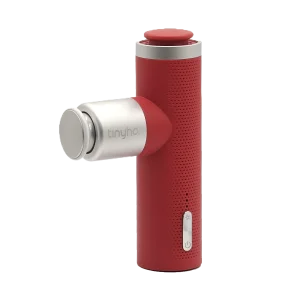
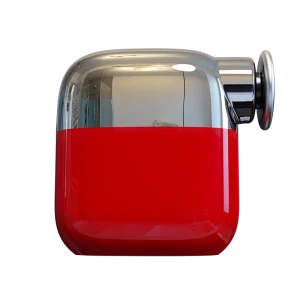
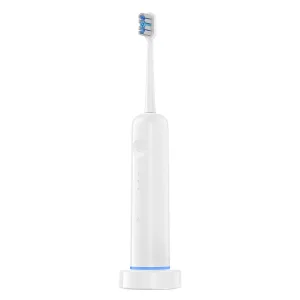
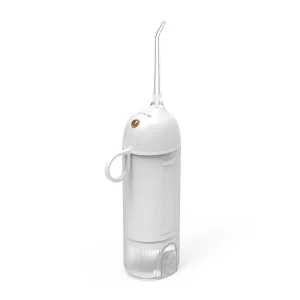
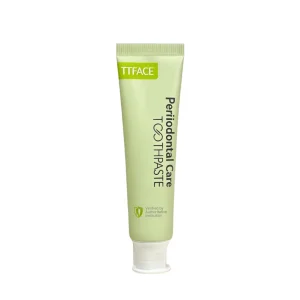
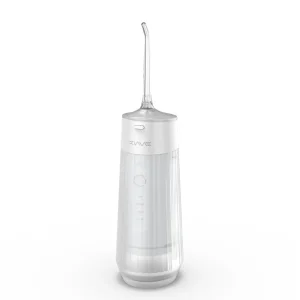
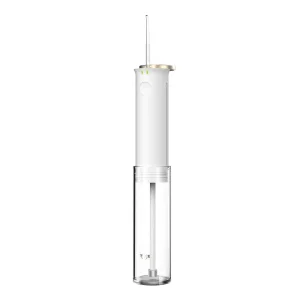
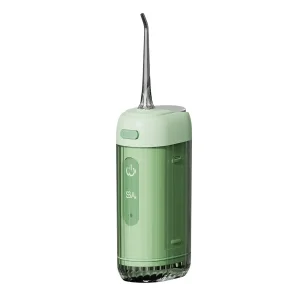
Complete Personal Care & Aligner Sanitation Line
Expand your commercial catalog for Seoul with our full portfolio of high-demand OEM products.
Frequently Asked Questions: Sourcing for Seoul Markets
Comprehensive technical and business answers for procurement managers and regional distributors.
A 42kHz frequency strikes the perfect balance between bubble energy and micro-bubble density. Lower frequencies (e.g., 28kHz) create larger bubbles that can cause stress cracking on thin plastic aligners over time, while higher frequencies (>60kHz) lack the kinetic force needed to dislodge stubborn calcified dental plaque.
We provide full-spectrum ODM services including custom industrial design (ID) housing, soft-touch matte surface finishes, custom LED indicator colors, silkscreen logo printing, bespoke retail box packaging in Hangul/English, and custom plug types (Type C / Europlug for South Korea).
Our engineering team designs products with KC-compliant circuit architectures, shielded power supplies, and certified components. We provide full technical construction files (TCF), schematic diagrams, and sample units directly to accredited Korean testing laboratories to expedite your KC certification.
For standard OEM branding on existing proven hardware platforms, our base MOQ starts at 1,000 units. For complete ODM custom tooling projects involving unique mold creation, MOQ typically starts at 3,000 to 5,000 units depending on housing complexity.
Ultrasonic cleaning physically removes over 95% of particulate debris and biofilm via cavitation. When combined with our integrated 265nm UV-C LED sterilization, chemical tablets become optional, offering users a chemical-free, eco-friendly daily maintenance routine.
Every unit undergoes strict quality gates: 100% incoming material inspection (IQC), 100% transducer impedance matching, automated waterproof seal testing, a 2-hour continuous aging burn-in test, and final pre-shipment sampling inspection (AQL 0.65 Level II).
Partner With a Premier Aligner Cleaning Machine Manufacturer
Ready to launch or scale your aligner sanitation product line in Seoul or globally? Contact our engineering and export team today for technical catalogs, OEM quotes, and sample requests.
Send Inquiry Now