
High-Performance Oral Care & Health Technologies
Explore our turnkey OEM/ODM catalog engineered for global distribution, retail expansion, and clinical-grade branding.
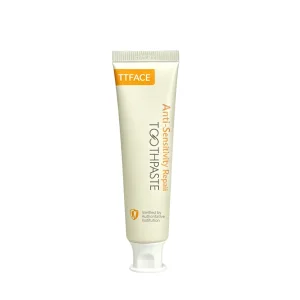
Macro Dynamics in Bulk Toothpaste Manufacturing & Procurement
An authoritative analysis of formulation shifts, bio-active integration, and supply chain scalability for global procurement directors.
The global oral care market is undergoing a paradigm shift. Historically driven by simple commodity formulations reliant on standard abrasives (calcium carbonate, hydrated silica) and basic fluoride delivery systems, the contemporary market demands therapeutically active, bio-compatible, and sustainable oral hygiene platforms. For brand owners, pharmacy networks, and multinational distributors, sourcing from qualified OEM bulk toothpaste suppliers and factories is no longer merely a purchasing decision—it is a strategic alignment in pharmaceutical-grade chemical engineering, regulatory compliance, and brand defense.
Information Gain Key Takeaway: Modern consumer demand has shifted from passive cleaning to active enamel remineralization and microbiome balancing. Bulk toothpaste manufacturing now requires precise control over shear rates, vacuum homogenization, micro-encapsulation, and strict RDA (Relative Dentin Abrasivity) engineering.
1. Key Industry Transformation Drivers
Bio-Active Enamel Repair
Transition from passive fluoride ions to synthetic bio-identical Nano-Hydroxyapatite (nHAp) and Phosphopeptide complexes that physically occlude dentinal tubules and remineralize microscopic enamel defects.
Oral Microbiome Preservation
Elimination of harsh surfactants like Sodium Lauryl Sulfate (SLS) in favor of gentle amino-acid derivatives (e.g., Sodium Lauroyl Sarcosinate) and probiotic postbiotic enzymes that preserve beneficial oral flora.
Eco-Packaging Alignment
Demands for 100% recyclable Post-Consumer Recycled (PCR) plastic tubes, mono-material Polyethylene (PE) structures, aluminum tubes, and solid waterless toothpaste tablets to reduce carbon footprints.
Enterprise Bulk Formulation Matrix & Active Ingredients
Comparative technical analysis of core toothpaste formulas engineered within certified OEM production facilities.
A factory's manufacturing prowess is defined by its ability to stabilize complex chemical formulations while maintaining precise rheological properties during high-speed packaging. Below is an engineering overview of key functional platforms available for private-label customization:
| Formulation Category | Primary Active Ingredients | Target Clinical Benefit | RDA Index Range | Key OEM Process Challenge |
|---|---|---|---|---|
| Anti-Sensitivity & Enamel Repair | Nano-Hydroxyapatite (nHAp), Potassium Nitrate (5%), NovaMin | Dentin tubule occlusion, rapid thermal pain relief | Low (RDA 30 - 50) | Preventing active particle agglomeration during bulk mixing |
| Gum Care & Periodontal Therapy | Tranexamic Acid, Hyaluronic Acid, Herbal Botanical Extracts | Gingival inflammation reduction, bleeding arrest | Ultra-Low (RDA 20 - 40) | Maintaining active thermal stability during vacuum emulsification |
| Non-Peroxide Enzymatic Whitening | PAP (Phthalimidoperoxycaproic Acid), Bromelain, Silica | Extrinsic stain removal without dentin erosion | Medium (RDA 70 - 90) | Oxidative stability control and pH degradation prevention |
| Natural / Organic (COSMOS Clean) | Xylitol, Organic Coconut Oil, Baking Soda, Erythritol | Planktonic plaque reduction, chemical-free hygiene | Variable (RDA 50 - 80) | Preservative-free microbiological validation and shelf stability |
| Dual-Action Morning/Night Systems | Vitamin C (AM), Activated Charcoal & Melatonin/Zinc (PM) | Circadian oral care, night-time anti-halitosis | Custom RDA | Multi-phase color & ingredient separation retention |
Technical Rheology & Rheopexy Control
Toothpaste bulk paste exhibits non-Newtonian, pseudoplastic behavior with yield stress. During industrial pumping and tube filling, the paste must undergo shear thinning to flow seamlessly through nozzles, yet immediately recover its structural yield point inside the tube to prevent weeping or stringing. Leading factories deploy advanced rotational rheometers to ensure every batch achieves optimal extrusion profile across wide temperature ranges (-15°C to 45°C).
Macro Supply Chain Solutions for Global Buyers
Optimizing procurement models from bulk paste slurries to fully finished private label SKU assortments.
Contract Bulk Paste Delivery (IBC Containers)
For enterprise brand owners with local filling operations, ordering bulk toothpaste slurry in 1000L Stainless Steel Intermediate Bulk Containers (IBCs) or tote drums drastically cuts international freight costs. Key considerations include:
- Nitrogen purging to eliminate oxidation during sea transit.
- Microbiological challenge testing prior to container sealing.
- Custom viscosity calibration for local high-speed filling line equipment.
Turnkey OEM/ODM Finished Product Manufacturing
A complete end-to-end manufacturing process where the factory assumes full responsibility for raw material sourcing, secondary box printing, stability testing, and final export loading:
- In-house tooling for proprietary cap and applicator designs.
- Automated carton batching, foil sealing, and tamper-evident wrapping.
- Complete batch dossier documentation (COA, MSDS, Certificate of Free Sale).
Procurement Strategy Tip: Enterprise buyers can reduce lead times by 35% by leveraging standard stock tube dimensions while utilizing custom UV spot printing, metallic hot stamping, and custom flavor formulations.
The Next Generation of Oral Hygiene Science
Discover the technological innovations currently moving from factory R&D labs to commercial mass production.
Micro-Encapsulated Active Release
Encapsulating volatile essential oils, active enzymes, and whitening agents inside biodegradable cellulose micro-spheres. Actives remain isolated from the base slurry until ruptured by toothbrush friction during brushing.
AI-Assisted Viscosity Profiling
Integrating real-time inline sensor arrays within stainless steel vacuum mixers. AI algorithms adjust impeller speeds and vacuum pressure dynamically to match target shear parameters regardless of ambient humidity variations.
Waterless & Anhydrous Formulations
Anhydrous paste matrixes that remain inert until contact with saliva. Eliminates the need for traditional preservatives while offering 100% active potent delivery of moisture-sensitive ingredients.
Global Regulatory Frameworks & Quality Infrastructure
Navigating international cosmetic and OTC drug registration requirements for smooth market entry.
Toothpaste classification varies dramatically across jurisdictions. Navigating these legal borders requires an OEM factory with dedicated regulatory affairs specialists and accredited testing laboratories:
1. Regulatory Classification by Region
- United States (US FDA): Fluoride-containing toothpastes are classified as Over-The-Counter (OTC) Drugs under the Anticaries Drug Products Monograph (21 CFR Part 355). Manufacturing facilities must hold active FDA Drug Establishment Registration and comply with strict 21 CFR Part 211 cGMP regulations. Non-fluoride whitening pastes are regulated as Cosmetics.
- European Union (EU CPNP): Regulated under EC Regulation No 1223/2009. Requires a comprehensive Cosmetic Product Safety Report (CPSR) compiled by a certified Toxicologist and submission to the Cosmetic Products Notification Portal (CPNP).
- China (NMPA): Managed under the New Toothpaste Supervision Regulations. Demands full safety evaluations, efficacy claim validation data, and strict ingredient safety filing.
2. Quality Assurance Protocols
- ISO 22716 & GMP Audits: Standard operating procedures guaranteeing cleanroom air filtration (Class 100,000), sanitized water loops (Purified Water USP grade), and batch traceability.
- Stability Testing (ICH Guidelines): Accelerated stability testing at 40°C / 75% RH over 6 months to guarantee a minimum 2-to-3-year commercial shelf life.
- Heavy Metal & Micro Testing: Every batch undergoes ICP-MS screening for lead, arsenic, mercury, and cadmium, alongside total aerobic microbial counts.
Step-by-Step Contract Manufacturing Workflow
From initial R&D bench testing to mass volume export loading.
Formula Brief & Benchmark
Define active profiles, RDA targets, flavor preferences, and regional regulatory scope.
Bench Sampling & Lab Validation
Lab creation of 500g pilot samples, flavor tuning, micro testing, and viscosity verification.
Packaging Compatibility
Testing tube layer barrier integrity (ABL vs PBL) against flavor oil absorption and active gas off-gassing.
Mass Production & Export
Commercial vacuum mixing batching, automated tube filling, packaging box assembly, and export container shipment.
Frequently Asked Questions for Enterprise Buyers
Direct technical and operational answers to common bulk sourcing and private labeling inquiries.
What are the standard Minimum Order Quantities (MOQs) for custom toothpaste manufacturing?
For custom formulation development in packaged tubes, standard MOQs typically start at 20,000 to 30,000 units per variant due to machine setup and tube printing runs. For stock formulation private-labeling with custom outer boxes, lower MOQs from 5,000 to 10,000 units can be accommodated.
How do you guarantee fluoride stability over the product shelf life?
Sodium Fluoride (NaF) and Sodium Monofluorophosphate (SMFP) require strict pH buffering (typically pH 6.5 - 7.5) and compatibility testing with silica abrasives. We conduct accelerated stability testing under ICH conditions and provide analytical test reports confirming free active fluoride retention across 24-36 months.
What is the difference between ABL and PBL packaging tubes?
Aluminum Barrier Laminate (ABL) contains a micro-thin aluminum core offering total oxygen, light, and flavor barrier protection—ideal for sensitive whitening or organic pastes. Plastic Barrier Laminate (PBL) uses all-plastic layers (EVOH), allowing the tube to retain its shape after squeezing while being 100% recyclable in plastic streams.
Can you manufacture Nano-Hydroxyapatite (nHAp) toothpaste for North American markets?
Yes. We formulate with fluoride-free Nano-Hydroxyapatite at clinical concentration levels (2% to 10%). We assist buyers in establishing appropriate cosmetic claim boundaries in alignment with US FDA guidelines for enamel remineralization and anti-sensitivity positioning.
What documentation do you provide for customs clearance and regulatory filings?
We provide full export dossiers including Certificate of Analysis (COA), Safety Data Sheets (SDS/MSDS), Certificate of Free Sale (CFS), Complete INCI Ingredient Quantitative Declaration, Heavy Metal & Microbiological Test Reports, and ISO 22716 / GMP certificates.
How are custom flavors developed and tested?
Our flavor chemists match target profiles (Spearmint, Peppermint, Wintergreen, Cinnamon, Fruit blend, Charcoal Mint) using high-grade essential oils. We evaluate flavor intensity post-mixing and conduct long-term aging tests to ensure zero flavor notes degrade over time.