
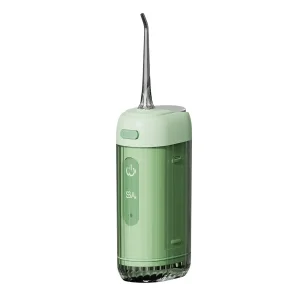
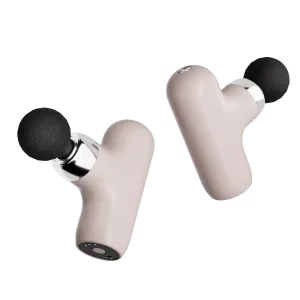
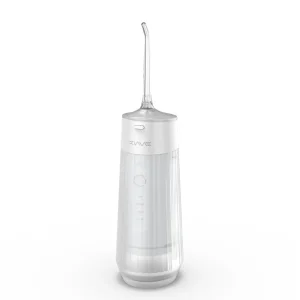
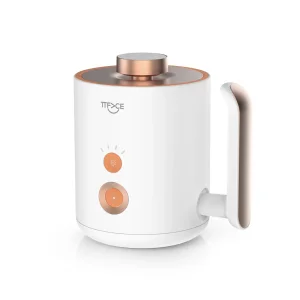
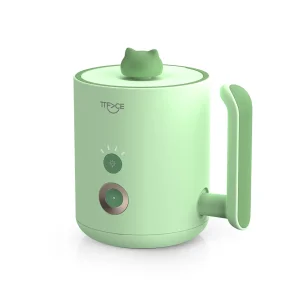
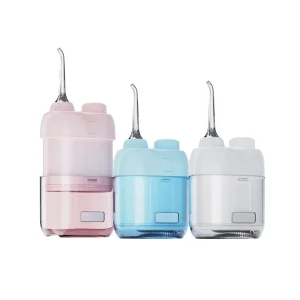
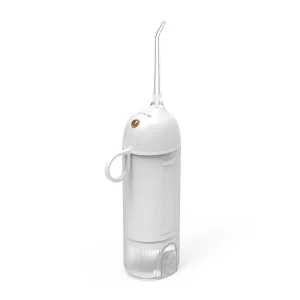
Flagship Ultrasonic & Smart Oral Care Product Series
Engineered to strict ISO13485 and FDA compliance standards. Fully customizable via turnkey OEM/ODM production lines.

Global Commercial & Industrial Status of Ultrasonic Cleaning Technology
The global market for ultrasonic cleaning machines is undergoing a structural paradigm shift. Driven by rigorous sanitation demands across medical, dental, semiconductor, aerospace, and personal healthcare sectors, acoustic cavitation cleaning has evolved from a specialized industrial process into an essential, ubiquitous hygiene standard. Historically restricted to heavy industrial degreasing and clinical instrument sterilization, high-frequency acoustic wave cleaning has penetrated consumer electronics, orthodontic appliance care, and personal wellness hygiene.
Current market metrics indicate a compound annual growth rate (CAGR) exceeding 8.4% globally in the high-frequency cleaning sector. This trajectory is accelerated by two major consumer and commercial shifts: the massive expansion of the global clear aligner market (e.g., Invisalign, 3D-printed orthodontic retainers) and the demand for chemical-free, non-abrasive bio-burden removal. Traditional mechanical scrubbing and harsh chemical soaking often induce micro-abrasions on polymethyl methacrylate (PMMA) dental appliances or fail to dislodge complex biofilm within intricate crevices. Ultrasonic cleaning, operating within frequency spectrums of 40 kHz to 42 kHz, induces controlled microscopic vacuum implosions—a phenomenon known as acoustic cavitation—that strips contaminants down to the sub-micron scale without altering structural surface integrity.
China's Factory Efficiency Advantage & Vertical Supply Integration
Shenzhen, China, has cemented its status as the world's apex epicenter for advanced hardware design, ultrasonic transducer engineering, and precision personal healthcare electronics. Operating out of specialized industrial districts like Longhua, enterprise leaders such as Shenzhen Cekon Healthy Life Co., Ltd. (TTFACE) leverage a dense cluster of component vendors, raw material suppliers, and specialized engineering talent to deliver unmatched manufacturing velocity and cost efficiency.
Turnkey Vertical Integration
Housing 100 high-precision injection molding machines, 12 computer numerical control (CNC) tooling centers, and 12 dedicated high-speed assembly lines under one roof. Eliminates multi-tiered sub-contractor delays and maintains strict dimensional tolerances.
Rigorous Quality Control Protocols
Every ultrasonic transducer assembly undergoes 100% piezoelectric impedance characterization, sweep-frequency stability verification, and IPX7 immersion sealing validation prior to final box-build packaging.
Rapid Prototype-to-Mass-Production
Proprietary rapid tooling setups permit custom industrial design (ID) prototyping within 7 to 10 days, followed by mass tooling rollout within 25 days—halving industry-average lead times for international brand partners.
Diverse Application Scenarios: From Dental Clinics to Portable Daily Hygiene
Modern ultrasonic cleaning equipment engineered by top-tier suppliers serves highly segmented commercial and consumer ecosystems. The versatile physical dynamics of acoustic cavitation make it uniquely suited for several core sectors:
1. Orthodontic & Clear Aligner Care
Clear aligners, retention trays, and nightguards are prone to calcified plaque accumulation, odor-causing bacterial buildup, and staining. Desktop ultrasonic baths equipped with 40–42kHz transducers generate millions of microscopic bubbles that implode against complex plastic undercuts, removing 99.9% of biofilms in under 3 minutes without damaging delicate polymer matrices.
2. Prosthodontics & Senior Denture Hygiene
Partial and full dentures contain metallic clasps, acrylic bases, and soft liners that traditional stiff bristles scratch, creating breeding grounds for Candida albicans. Ultrasonic cleaning solutions deliver uniform 360-degree liquid kinetic energy, sanitizing full prosthetics safely for geriatric care channels, nursing homes, and clinical dental practices.
3. Clinical Dental Instrument Pre-Sterilization
Prior to autoclave thermal sterilization, medical dental instruments (burs, scalers, extraction forceps) require pre-cleaning to strip blood, tissue, and cement debris. Compact medical-grade ultrasonic cleaners perform high-level debridement, safeguarding medical staff from sharp-instrument handling risks.
4. Personal Jewelry & Precision Fine Component Restorations
Beyond oral care, multi-purpose mini ultrasonic baths effectively cleanse fine jewelry, watch bands, waterproof wearables, and dental brackets. Utilizing eco-friendly water solutions, grease and particulate matter are stripped from blind holes and tight tolerances seamlessly.
Technological Trends & B2B Global Enterprise Procurement Criteria
Future Innovations: Smart Frequency Sweeping & HOCl Electrolysis
The ultrasonic cleaning landscape is moving rapidly toward intelligent, multi-technology integration. Key technological breakthroughs shaping next-generation OEM designs include:
- Digital Dynamic Frequency Sweeping: Modulating frequencies continuously between 38kHz and 44kHz prevents standing-wave "dead zones" within the cleaning basin, ensuring uniform acoustic energy distribution across all submerged surfaces.
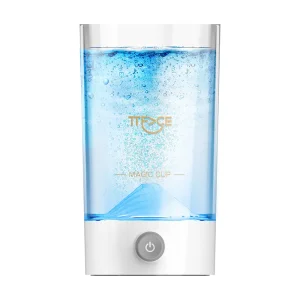
- Electrolyzed Hypochlorous Acid (HOCl) Integration: Combining ultrasonic cavitation with low-voltage titanium-platinum electrolysis cells allows devices (such as TTFACE’s HOCl Periodontal Care Cups) to transform ordinary tap water into natural, non-toxic sanitizing mouthwashes on demand.
- UV-C LED Secondary Sterilization: Integrating 260-280nm UV-C light strips inside lid enclosures ensures dual-action cleaning: physical bio-film removal via ultrasound alongside viral and bacterial RNA breakdown via UV light.
Global Procurement Evaluation Criteria for Enterprise Buyers
When sourcing high-quality ultrasonic cleaning machine manufacturers in China, international procurement directors must evaluate vendors across four critical technical benchmarks:
Transducer Efficiency & Heat Dissipation
Low-quality transducers convert energy into excessive thermal output rather than acoustic energy, degrading plastic aligners. Enterprise-grade suppliers utilize high-Q piezoelectric ceramic transducers paired with silent cooling fans.
Waterproof Circuit Architecture
Look for true IPX7 ratings achieved via ultrasonic housing welding, silicone gasket rings, and conformal PCB moisture-proofing coatings to guarantee zero fluid ingress during daily operation.
International Regulatory Compliance
Ensure suppliers possess verified CE, RoHS, FCC, and FDA documentation, backed by ISO13485 medical device quality management system certifications for seamless global distribution.
Frequently Asked Sourcing & Technical Questions
Expert answers regarding OEM development, technical specifications, and factory capabilities.
Does TTFACE offer both OEM and ODM ultrasonic cleaning machine manufacturing?
What is the optimal ultrasonic frequency for dental appliances and retainers?
What customization options are available for private label orders?
How does your factory ensure waterproof seal integrity on consumer devices?
What standard lead times apply to high-volume OEM orders?
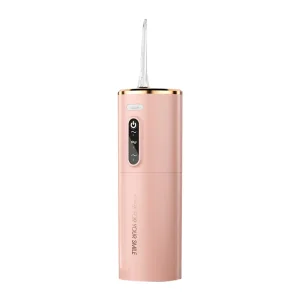
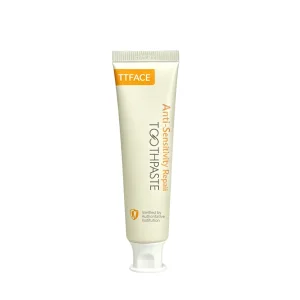
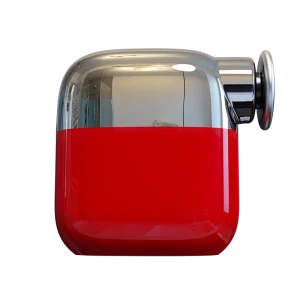
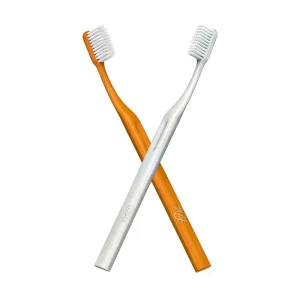
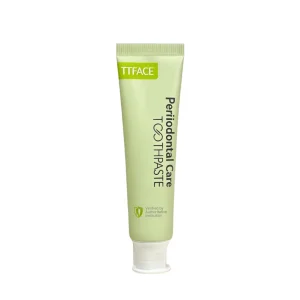
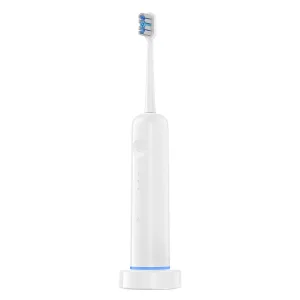
Explore Our Extended Oral Care & Wellness Portfolio
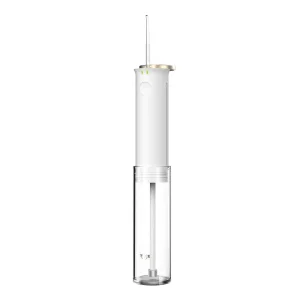
Expand your brand line with our patented oral irrigators, vibrating toothbrushes, and specialized formulas.
Partner With a Leading Ultrasonic Cleaning Machine Factory Today
Ready to elevate your oral hygiene product portfolio or launch a custom OEM ultrasonic cleaner? Request engineering consultations, sample units, and wholesale tier pricing from our Shenzhen manufacturing team.