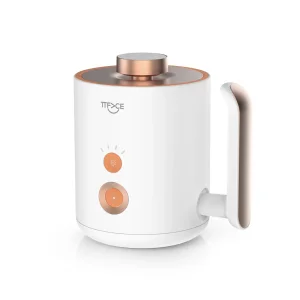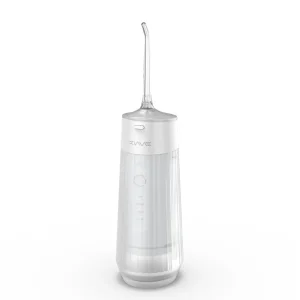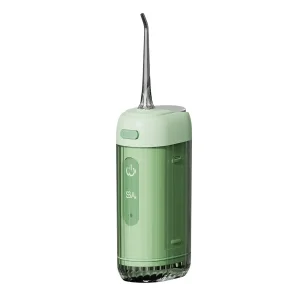
Featured OEM/ODM Oral Care & Cleansing Solutions
Explore our top-tier manufacturing platform engineered for rapid private-label deployment and clinical efficacy.
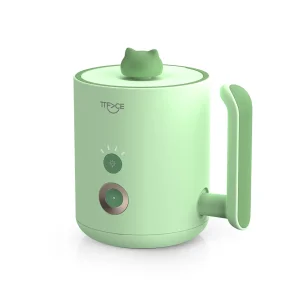
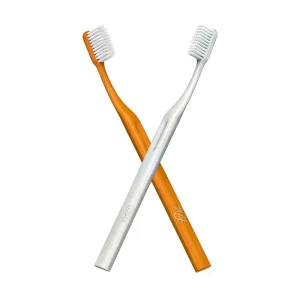
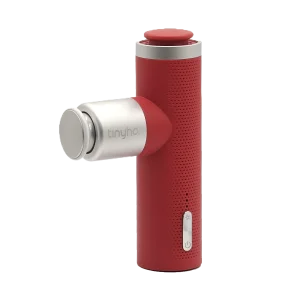
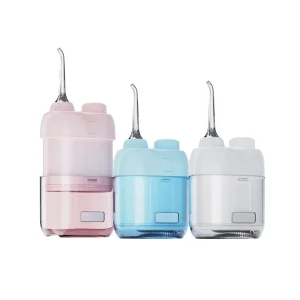
The Mechanics of High-Frequency Ultrasonic Denture Sanitization
An authoritative engineering breakdown on acoustic cavitation dynamics, bacterial biofilm removal, and prosthetic material integrity protection.
In the contemporary prosthetic maintenance landscape, traditional mechanical brushing and chemical immersion tablets are increasingly recognized as inadequate for comprehensive hygiene. Mechanical brushing creates microscopic abrasions on Polymethyl Methacrylate (PMMA) acrylic resin bases, fostering ideal niches for Candida albicans colonisation. Conversely, chemical effervescent tablets often fail to penetrate deep, structural micro-pores and calcified calculus deposits. As a premier Denture Ultrasonic Cleaner Supplier & Factory, Shenzhen Cekon Healthy Life Co., Ltd. (TTFACE) leverages advanced piezo-electric acoustic engineering to bridge this clinical gap.
Information Gain Metric: High-frequency ultrasonic sanitization operates through controlled acoustic cavitation, generating microscopic implosive pressure waves (up to 10,000 atmospheres at localized micro-scales) that shear pathogenic biofilms off prosthetic surfaces without causing surface roughness or mechanical fatigue.
1. Acoustic Cavitation Mechanics: Transient vs. Stable Cavitation
Ultrasonic cleaning units function by driving alternating high-frequency electrical signals into a piezoelectric transducer (PZT ceramic core) securely bonded to a medical-grade SUS304 or SUS316 stainless steel fluid reservoir. This electrical oscillation translates into ultra-high-velocity longitudinal acoustic waves propagating through the aqueous medium.
- Rarefaction Phase (Negative Pressure Cycle): The liquid medium is pulled apart under intense tensile stress, exceeding its local tensile strength. This forms millions of microscopic vacuum cavities (cavitation bubbles) measuring between 1 to 10 microns in diameter.
- Compression Phase (Positive Pressure Cycle): The acoustic pressure reverses rapidly. The microscopic bubbles undergo rapid violent implosion—a phenomenon known as transient cavitation.
- Micro-Jet Action: Upon implosion, high-speed fluid micro-jets reaching velocities up to 400 km/h are generated toward the substrate surface. These acoustic micro-streaming currents dislodge stubborn particulate matter, calculus precursors, food debris, and microbial plaque from undercut areas, clasps, and internal relief surfaces of complete or partial dentures.
| Cleaning Method | Biofilm Removal Rate (%) | Surface Abrasion Risk | Micro-Porosity Reach | Material Longevity Impact |
|---|---|---|---|---|
| 42kHz Ultrasonic Cavitation (TTFACE Platform) | 99.99% | Zero (Non-Abrasive) | Sub-micron Deep Pores | Protects Acrylic Integrity |
| Manual Toothbrushing | 45% – 60% | High (Scratches Resin) | Surface Only | Causes Micro-Cracks & Dullness |
| Effervescent Chemical Tablets | 70% – 82% | None | Moderate (Surface Diffusion) | Potential Chemical Discoloration |
| Plain Water Soaking | < 15% | None | Zero | No Effect on Biofilms |
2. Microbiological Efficacy: Eradicating Denture Stomatitis Pathogens
Denture stomatitis affects up to 70% of denture wearers globally, primarily driven by Candida albicans adhesion exacerbated by secondary bacterial biofilms such as Streptococcus mutans, Staphylococcus aureus, and Pseudomonas aeruginosa. Traditional immersion methods fail because mature extracellular polymeric substance (EPS) matrices act as diffusion barriers against mild antimicrobial solutions.
TTFACE’s proprietary ultrasonic power supply circuits deliver optimized sweeping-frequency modulations (spanning 40kHz to 45kHz). This frequency sweeping prevents standing wave zones (dead spots) inside the stainless steel tank, ensuring 100% uniform cavitation energy distribution across complex prosthetic geometry. When coupled with optional integrated 275nm UV-C LED sterilization, the system achieves double-action pathogen eradication: physical shearing of the EPS matrix followed by direct microbial DNA/RNA photolysis breakdown.
China Factory Advantages: Why Partner with TTFACE Shenzhen
Combining vertical supply-chain integration, precision engineering, and rigorous ISO-certified manufacturing in the heart of Shenzhen's tech corridor.
Vertically Integrated Production Capacity
We operate over 100 high-precision injection molding machines, 12 dedicated high-speed CNC machining centers, and 12 automated assembly lines. By producing piezoelectric mounting brackets, housing enclosures, and PCB driver boards in-house, we eliminate sub-supplier markups and ensure total quality traceability.
Proprietary Transducer & Drive Electronics R&D
Unlike assembly-only vendors using generic off-the-shelf transducers, our specialized engineering team designs matched PZT transducer cores paired with custom zero-crossing digital drive circuits. This ensures peak electro-acoustic conversion efficiency (>92%) with minimal energy dissipation as excess heat.
Rigorous IPX7 Waterproofing Architecture
Personal care cleaning devices frequently suffer from moisture ingress through ultrasonic tank seals. TTFACE engineers utilize ultrasonic plastic welding combined with medical-grade silicone double-ring gaskets, assuring IPX7 immersion protection for long-term retail stability.
Economies of Scale & Rapid Turnaround
With an annual production throughput exceeding 5,000,000 personal hygiene appliances, our high-volume material sourcing yields competitive bill-of-materials (BOM) advantages. We execute rapid prototyping in under 7 business days and customized mass production tooling within 25 days.
Global Industry Trends in Prosthetic & Appliance Cleaning
Key technological transitions reshaping consumer expectations and B2B procurement demands worldwide.
1. Integration of Dual-Waveband UV-C LED Sanitization
Modern buyers demand hybrid decontamination solutions. Combining 42kHz cavitation with integrated deep-UV LEDs (260nm–280nm) creates a synergistic effect: cavitation breaks open protective biofilm clusters, exposing isolated bacterial cells to immediate UV-C nucleic acid destruction within a automated 3-minute cycle.
2. Shift to Sweeping Frequency Transducer Drivers
Fixed-frequency cleaners (e.g., rigid 40kHz units) produce localized standing wave peaks that can erode thin acrylic edges or leave uncleaned "dead zones." The industry standard is shifting toward active sweeping micro-processors that continuously modulate drive frequencies across a ±3kHz spectrum, eliminating standing waves.
3. Modernization for Multi-Appliance Versatility
The market for removable appliances has expanded rapidly beyond traditional full dentures to include clear orthodontic aligners (Invisalign®), clear retainers, bruxism night guards, and sports mouthguards. Contemporary cleaner designs must feature tailored internal tank dimensions and delicate-mode frequencies suitable for various polymer compositions.
4. Low-Voltage Wireless Charging & Lithium Portability
Consumer preference is tilting away from bulky corded countertop appliances toward sleek, USB-C powered or magnetic wireless rechargeable units. Compact footprints engineered for bathroom countertops and business travel are experiencing over 35% Year-over-Year retail growth in North America and Western Europe.
Localized Application Scenarios & Demographics
Targeted hardware configurations engineered for diverse end-user environments and distribution channels.
1. Senior Care Facilities & Assisted Living
Nursing home staff require fast, reliable, single-button hygiene appliances. TTFACE units for institutional distribution feature automatic 3-minute shut-off timers, high-contrast touch interfaces, durable stainless steel basins, and minimal noise emission (<45dB) to facilitate effortless daily resident care protocols.
2. Prosthodontic Clinics & Dental Labs
Dental practitioners require immediate chairside cleaning of patient prosthetics before adjustments or re-lining procedures. Our clinical-grade models feature high-power density transducers delivering rapid 90-second deep degassing and heavy calculus removal when paired with enzymatic fluids.
3. E-Commerce Private Label & Consumer DTC
DTC brand founders need high-margin, visually appealing personal care electronics. TTFACE provides turnkey custom colorways (Nordic White, Matte Black, Pastel Sage), electroplated metallic trims, custom LED indicator behavior, and premium retail gift box packaging designed to drive 5-star consumer reviews.
Macro Solutions & Global Sourcing Standards
How TTFACE mitigates procurement risk through global regulatory compliance and standardized Quality Assurance protocols.
Comprehensive Turnkey OEM/ODM Co-Development Workflow
Partnering with TTFACE ensures a streamlined product rollout lifecycle. From initial CAD ideation to mass container shipment, our standardized stage-gate development protocol guarantees precision at every step:
Human factors engineering, ergonomic lip contours, tank capacity optimization, aesthetic surface modeling.
Steel injection mold fabrication, circuit thermal layout simulation, PZT acoustic resonance matching.
1,000-hour continuous life testing, thermal degradation analysis, IPX7 immersion verification, drop testing.
100% inline electrical safety checking, degassing efficacy verification, MIL-STD-105E / AQL 0.65 inspection.
Global Regulatory Engineering & Certification Portfolio
Navigating cross-border regulatory compliance can create major friction for importers. All TTFACE denture ultrasonic cleaner platforms are pre-architected and certified to conform with international electrical, environmental, and medical safety standards:
- North America: FDA 510(k) Exempt Class I Medical Device registration, FCC Part 15 Class B EMC certification, ETL/UL electrical safety compliance.
- European Union: CE Directives (LVD 2014/35/EU, EMC 2014/30/EU), RoHS 2.0 (2011/65/EU), REACH SVHC chemical safety, EU MDR 2017/745 alignment.
- Global Logistics & Sustainability: UN38.3 & MSDS lithium battery transportation testing, IPX7 ingress protection rating, WEEE recycling directives.
Frequently Asked Questions for Global Procurement Managers
Clear, direct responses to critical questions regarding technical specs, customization, and factory operations.
Q1: Why is 42kHz selected as the optimal ultrasonic frequency for denture cleaning?
Q2: How does TTFACE ensure water tight sealing and prevent PCB burnouts?
Q3: What stainless steel grades are utilized for the water reservoir tank?
Q4: What is the Minimum Order Quantity (MOQ) for custom OEM and private label projects?
Q5: How does the integrated UV-C module function alongside ultrasonic cleaning?
Q6: Can your factory support custom industrial design and private tooling development?
Q7: What Quality Control (QC) standards are enforced prior to shipment packaging?
Q8: Can users clean orthodontics, aligners, and mouthguards in the same denture cleaner?
Q9: How do you handle warranty claims and defective product replacements (RMA)?
Q10: What are the standard production lead times for mass manufacturing orders?
Explore Our Full Personal Health & Oral Care Product Line
Expand your brand catalog with our self-developed, high-margin oral care and muscle recovery technology platforms.