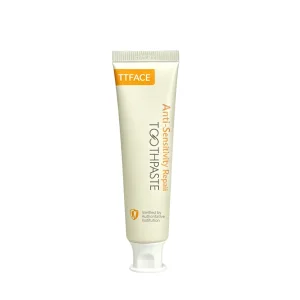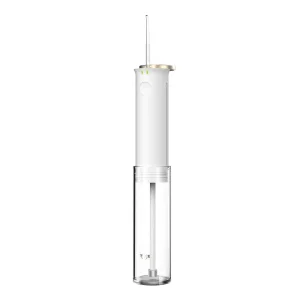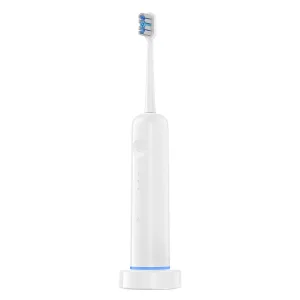
Enterprise Dental & Oral Hygiene Solutions
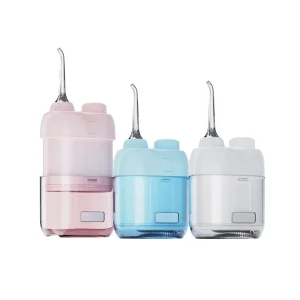
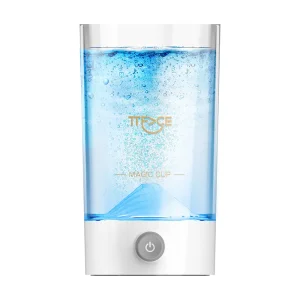
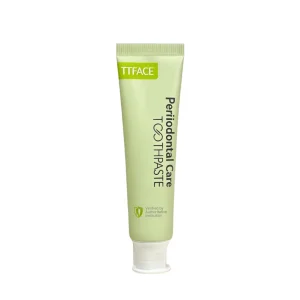
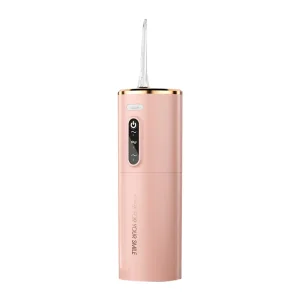
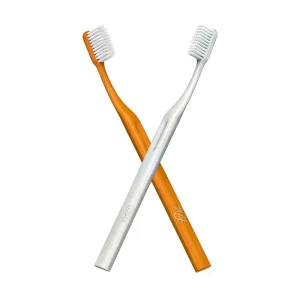
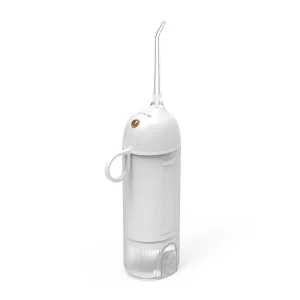
Explore our certified OEM/ODM manufacturing lineup engineered alongside precision polishing formulations.
Global Dental Polishing Paste Manufacturing Benchmarks
Quantitative operational standards and formulation parameters defining high-quality prophylaxis paste factories in 2026.
Executive Sourcing Insight: In professional dental prophylaxis, selecting a certified dental polishing paste factory requires assessing rheological shear-thinning properties alongside RDA parameters. Premier factories utilize vacuum micro-emulsification under Class 100,000 cleanroom conditions to prevent abrasive phase separation, delivering splatter-free performance at rotary speeds exceeding 3,000 RPM.
Global Enterprise Procurement Demand & Intent Mining Analysis
Modern oral healthcare channels—ranging from Dental Support Organizations (DSOs) and hospital purchasing alliances to private-label consumer brands—are redefining their sourcing criteria for prophylaxis pastes, whitening polish formulations, and clinical preventive supplies. Understanding these micro and macro demand dynamics is crucial for commercial success.
Clinical Prophylaxis Demand
Dental clinics and DSOs mandate non-splattering, single-dose (2g unit cups) prophy pastes that eliminate cross-contamination risk while optimizing chairside ergonomics. Key search intents center on RDA control, fast stain removal, micro-polish smooth finish, and zero grit residue.
Remineralizing & Bioactive Formulations
Global procurement intent is rapidly shifting toward functional polishing pastes containing Nano-Hydroxyapatite (n-HAp), Amorphous Calcium Phosphate (ACP), and 1.23% Acidulated Phosphate Fluoride (APF) to simultaneously polish and desensitize tubule structures.
Private-Label Retail & DTC Sourcing
Consumer oral care brands seek high-end, aesthetic packaging (aluminum tubes, airless pump jars, color-coded RDA kits) with customizable natural flavors (mint, berry, bubblegum, organic vanilla) backed by full regulatory dossiers (FDA OTC, EU MDR Class I).
Technical Roadmap & Abrasive Chemistry Matrix
The engineering quality of a dental polishing paste factory relies on mastering particle size distribution (PSD), abrasive morphology, and thixotropic binder dynamics. Below is an industrial breakdown of abrasive matrices used in modern dental polishing paste manufacturing.
| Abrasive Compound | Particle Morphology | Typical RDA Range | Clinical Application | Enamel Abrasion Index |
|---|---|---|---|---|
| Perlite (Self-Adjusting Silicon Dioxide) | Exfoliating flake matrix that fractures under pressure | RDA 40 → 170 (Dynamic) | Universal prophy paste (coarse to fine in one step) | Ultra-Low Erosion Rate |
| Zirconium Silicate (ZrSiO4) | Spherical crystalline structure | RDA 120 - 220 | Heavy tobacco, tea, & recalcitrant stain removal | Controlled High Efficiency |
| Precipitated Hydrated Silica | Amorphous porous particles (0.5 - 5µm) | RDA 50 - 110 | Daily restorative, porcelain, & composite polishing | Minimal Enamel Abrasion |
| Volcanic Pumice (Fine/Coarse) | Angular vesicular silicate glass | RDA 150 - 250 | Standard clinical prophylaxis & orthodontic cleaning | Moderate Clinical Level |
| Nano-Aluminum Oxide (Al2O3) | Sub-micron rounded crystallites (< 0.5µm) | RDA 20 - 50 | High-gloss glaze finish on ceramic restorations | Zero Enamel Scratching |
Thixotropic Rheology & Anti-Splatter Science
During dental scaling and polishing, prophylaxis paste is subjected to rapid shear strain caused by prophy cup rotation (1,500 to 3,500 RPM). Advanced dental polishing paste factories implement customized thixotropic gum blends (Sodium Carboxymethylcellulose, Xanthan Gum, and Hydrated Magnesium Aluminum Silicate).
This creates a shear-thinning non-Newtonian fluid behavior: high viscosity at rest in the unit-dose cup (preventing phase separation or oil bleeding) and low viscosity under rotational shear (allowing smooth distribution across enamel surfaces without splattering onto the clinician or patient).
Manufacturing Infrastructure & Quality Control Systems
To produce consistent, clinical-grade dental polishing paste, high-quality factories operate strictly controlled automated processing environments. Sourcing managers must evaluate factory capabilities against international standards.
ISO 14644 Cleanroom Facilities
Production lines operate within Class 100,000 (ISO 8) cleanrooms equipped with positive pressure HEPA filtration, automated UV-C decontamination tunnels, and continuous particulate monitoring to guarantee zero bioburden contamination.
Vacuum Emulsification Technology
Industrial multi-stage homogenizers operate under high vacuum (-0.09 MPa) to synthesize ultra-smooth paste emulsions. De-aeration prevents micro-bubble entrapment, securing uniform paste density and extended shelf-life stability.
Automated Packaging Lines
High-speed form-fill-seal machines fill individual prophy cups (1.8g to 2.5g) with heat-sealed peelable foil lids, or process laminated squeezable tubes (50g to 200g) under vision-guided quality inspection systems.
Regulatory Compliance Standards: Leading factories maintain ISO 13485 certification, US FDA establishment registration, EU MDR (2017/745) technical files, and ISO 11609 analytical testing for toothpastes and polishing pastes.
OEM / ODM Customization Options for Global Buyers
Partnering directly with a qualified dental polishing paste factory unlocks bespoke formulation design, branding flexibility, and tailored packaging configurations for global distribution.
Custom Formulation Variables
- Abrasive Selection: Pumice, Hydrated Silica, Perlite, Zirconia, or Aluminum Oxide blends.
- Active Therapeutic Ingredients: 1.23% APF Fluoride, 5% Potassium Nitrate, 3% Nano-Hydroxyapatite, Bioglass (NovaMin), Xylitol, or Chlorhexidine.
- Viscosity & Color Adjustments: Custom thixotropic viscosity index; color-matching to pantone palette (mint green, cherry red, bubblegum pink).
- Flavor Profiles: Oil-based, heat-stable flavors including Spearmint, Peppermint, Wild Berry, Cotton Candy, Cinnamon, or Flavorless.
Private-Label Packaging Architecture
- Unit-Dose Prophy Cups: 2.0g polyolefin cups with color-coded peelable foil caps in boxes of 100, 200, or 500 units.
- Clinical Tubes: 50g, 100g, or 200g laminated aluminum/plastic tubes with flip-top or needle-nose dispensing tips.
- Bulk Clinical Jars: 250g to 500g wide-mouth polypropylene tubs for high-volume dental hospital settings.
- Kitting Options: Combo packs including color-matched prophy cups, contra-angle handpiece rings, and protective safety glasses.
Localization Support & Regulatory Compliance Framework
Entering international dental markets requires strict adherence to regional medical device regulations and chemical safety standards. Reliable manufacturing partners provide end-to-end documentation packages.
US FDA OTC / Device
Full monograph compliance for anti-caries fluoride pastes, National Drug Code (NDC) assignment assistance, and 510(k) registration support where applicable.
EU MDR (2017/745)
Complete Technical Documentation Dossiers (TDD), Safety and Clinical Performance summaries, and CE marking assistance under European Union medical directives.
Safety Data Sheets (SDS)
GHS-compliant multi-lingual Safety Data Sheets (SDS), Toxicological Risk Assessments (TRA), and heavy metal screening test reports (ICP-MS verified).
Stability & Compatibility
Accelerated and real-time shelf-life testing (ICH guidelines Q1A), container-closure integrity validation, and freeze-thaw challenge testing.
Frequently Asked Questions (Procurement & Technical Q&A)
Expert answers to key sourcing questions asked by global oral care buyers and procurement specialists.
Complete Personal Care & Dental Lineup
Explore our additional OEM/ODM healthcare products available for global brand customization.