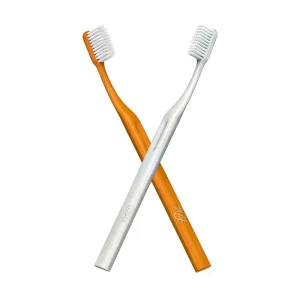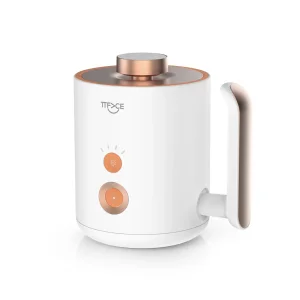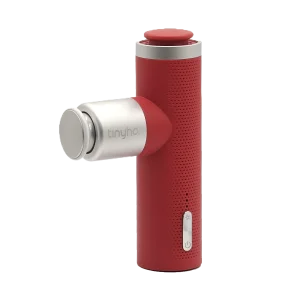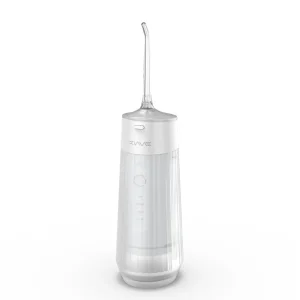
Flagship Oral Care & Personal Health Solutions
Explore our high-performance OEM/ODM product portfolio engineered for retail brands, dental networks, and global importers.
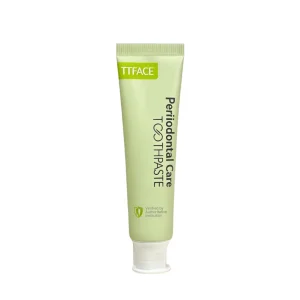
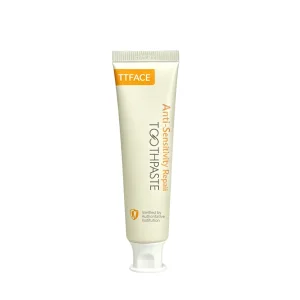
Global Anti-Tartar Procurement Landscape & Market Dynamics
Analyzing the shift from cosmetic stain removal to bio-active calculus prevention in consumer and clinical markets.
1.1 Macro-Economic Shift Towards Preventive Periodontal Sourcing
The global oral care market is undergoing a structural transformation. Modern consumers and healthcare institutions no longer view toothpaste merely as a cosmetic breath-freshener, but as an essential daily therapeutic vehicle for therapeutic periodontics. Dental calculus (commonly termed tartar)—a calcified deposit of calcium phosphate salts, salivary proteins, and mineralized bacterial plaque—serves as the primary etiology for gingival inflammation, periodontal pocketing, and eventual bone loss. As professional scaling (prophylaxis) remains an episodic clinical procedure, daily chemical inhibition of crystal growth via anti-tartar formulations represents a crucial market demand.
For brand owners, pharmaceutical distributors, and retail chain buyers, selecting an elite Anti Tartar Toothpaste Supplier & Manufacturer requires navigating complex biochemical parameters. Contract manufacturers must demonstrate mastery over chemical active stabilization, slurry rheology, packaging material compatibility, and global compliance matrices including US FDA OTC monographs, European CPNP registrations, and ISO 22716 certification.
Key Strategic Takeaway for B2B Procurement: Premium anti-tartar formulations must achieve dual-action capability: preventing the precipitation of soluble calcium and phosphate ions into insoluble hydroxyapatite matrices while maintaining a low Relative Dentin Abrasivity (RDA) index to prevent long-term cervical enamel wear.
1.2 Sourcing Drivers Across Global Channels
FMCG & Retail Chains
Demands cost-competitive bulk production, extended shelf-life stability (36 months), striking retail packaging, and high margin profiles with rapid turn-around capacity.
Clinical Dental Networks
Requires rigorous clinical trial backing, high biocompatibility, precise Active Pharmaceutical Ingredient (API) standardization, and low-abrasion formulations tailored for post-scaling maintenance.
Direct-To-Consumer (DTC) Brands
Focuses on rapid custom formulation (clean-label, fluoride-free, vegan certified), premium aesthetic components (aluminum tubes, airless pumps), and low MOQ flexibility.
Biochemical Mechanics of Calculus Inhibition
A technical dive into the molecular pathways, active crystal growth inhibitors, and abrasive selection systems utilized in high-efficiency oral care manufacturing.
2.1 The Mineralization Pathway of Dental Plaque
Dental tartar formation occurs through a phased biochemical reaction. Microorganisms within dental plaque metabolize dietary carbohydrates, forming an organic bio-matrix. Salivary secretions supply supersaturated concentrations of calcium (Ca2+) and phosphate (PO43-) ions. Over 48 to 72 hours, these ions precipitate into amorphous calcium phosphate (ACP), which subsequently crystallizes into brushite, octacalcium phosphate, and ultimately rigid hydroxyapatite [Ca10(PO4)6(OH)2].
Our engineered anti-tartar formulations disrupt this pathway at three critical stages:
Ion Chelation
Active chelating agents bind free salivary calcium ions, preventing them from reacting with dissolved phosphate complexes.
Crystal Poisoning
Pyrophosphate molecules adsorb onto the growth sites of developing amorphous calcium phosphate crystals, halting transition to crystalline hydroxyapatite.
Biofilm Modification
Surfactant and antimicrobial matrices alter plaque viscosity, reducing its ability to adhere to tooth enamel surfaces.
2.2 Comparative Analysis of Active Anti-Tartar Agents
To assist R&D teams and product managers in custom OEM formulation design, the table below outlines the performance matrix of primary anti-calculus agents deployed in modern manufacturing:
| Active Chemical Agent | Primary Mechanism of Action | Optimal Concentration | Enamel Remineralization Synergy | Flavor Profile / Stability Notes |
|---|---|---|---|---|
| Tetrasodium Pyrophosphate (TSPP) | Crystal growth inhibition; calcium ion binding | 1.5% - 3.5% | High (when paired with Sodium Fluoride) | Slightly alkaline; requires buffered flavor oils to mask astringency. |
| Disodium Dihydrogen Pyrophosphate | pH-regulated calcium chelation | 1.0% - 2.5% | Moderate | Provides acidic buffering, enhancing pyrophosphate stability. |
| Zinc Citrate / Zinc Lactate | Bacterial enzyme inhibition & ion substitution | 0.5% - 2.0% | Moderate | Delivers long-lasting antibacterial protection; metallic taste requires encapsulation. |
| Nano-Hydroxyapatite (nHAp) | Enamel micro-fissure occlusion & plaque absorption | 2.0% - 10.0% | Exceptional (Biomimetic) | Smooth mouthfeel; naturally white pigment; ideal for fluoride-free formulations. |
| Sodium Tripolyphosphate (STPP) | Surface-active stain dissolution & anti-calcification | 1.0% - 3.0% | Moderate | Highly effective against extrinsic chromogen bonding (tea, coffee stains). |
2.3 Abrasive Engineering: Balancing RDA Values with Stain Removal
An anti-tartar toothpaste must possess sufficient mechanical abrasivity to disrupt un-mineralized pellicle without causing irreversible abrasions to exposed dentin or enamel structure. Relative Dentin Abrasivity (RDA) is the global benchmark for safety.
Our manufacturing technology utilizes Precipitated Hydrated Silica Systems engineered with tailored particle size distribution (PSD) profiles ranging from 4.0 µm to 10.0 µm. By blending high-cleaning silica with thickening silica, we achieve an optimal RDA score of 60–80—well below the ISO 11609 upper safety threshold of 250—ensuring daily usage safety for consumers with gingival recession.
State-of-the-Art Factory Capabilities & OEM/ODM Solutions
Turnkey contract manufacturing powered by automated vacuum emulsification, cleanroom processing, and end-to-end quality assurance.
Vacuum Homogenization
Multi-stage vacuum emulsifiers (up to 5,000L capacity) eliminate air micro-bubbles, guaranteeing paste density uniformity (1.30–1.45 g/cm³) and preventing active oxidation.
Cleanroom Standards
Class 100,000 cleanroom filling lines equipped with HEPA filtration, automated UV sterilizers, and online weight inspection to ensure 100% volumetric precision.
Versatile Packaging Formats
High-speed automated tube sealing for PBL (Plastic Barrier Laminate), ABL (Aluminum Barrier Laminate), PCR eco-tubes, and modern airless pump dispensers.
3.1 Comprehensive OEM/ODM Service Workflow
Partnering with our facility provides brand owners with a streamlined development process designed to minimize lead times while ensuring regulatory rigor:
Stage 1: Formulation & Analytical Testing
Clients select from our library of clinically validated base formulas or request bespoke chemical customization (e.g., natural enzymatic additives, fluoride-free nHAp combinations, specific viscosity profiles). Bench samples undergo initial stability testing within 7 business days.
Stage 2: Regulatory & Dossier Assembly
Our regulatory team compiles full Safety Data Sheets (SDS), Certificates of Analysis (COA), Challenge Test reports (ISO 11930), and stability testing data (40°C / 75% RH accelerated conditions for 6 months) required for international filing.
Stage 3: Industrial Pilot & Scale-Up
A pilot batch of 500kg is executed to verify viscosity growth curves, flavor retention, active ingredient recovery, and packaging ultrasonic seal strength under production parameters.
Stage 4: Mass Production & Export Logistics
Full-scale manufacturing operates across 12 high-speed assembly lines, achieving a daily output exceeding 300,000 tubes. Orders are packed into export-ready corrugated cartons with palletization compliant with ISPM 15 standards.
Technical Roadmap & Next-Gen Formulation Horizon
Pioneering innovations in microbiome-friendly calculus mitigation, bio-encapsulated actives, and sustainable packaging design.
4.1 Microbiome-Friendly Anti-Tartar Therapeutics
Traditional strong antiseptic chemicals can indiscriminately eradicate beneficial oral bacteria, leading to dysbiosis. The next decade of oral care manufacturing focuses on selective oral microbiome regulation. Our R&D team is integrating postbiotics (paraprobiotics) and enzyme-based systems (such as Glucose Oxidase and Lactoperoxidase) that selectively break down the extracellular polymeric substance (EPS) of calculus-forming bacterial pathogens (e.g., Streptococcus mutans and Actinomyces viscosus) while maintaining commensal oral flora.
4.2 Micro-Encapsulation & Controlled-Release Pyrophosphates
A persistent challenge in anti-tartar formulations is the bitter or metallic aftertaste associated with high concentrations of active pyrophosphates or zinc salts. Through lipid-microencapsulation technology, active ingredients remain inert during tube storage and initial brushing. Mechanical shear during brushing ruptures the lipid shells, releasing concentrated anti-calculus agents precisely across the tooth surface for maximum bioavailability without astringency.
4.3 Sustainable Packaging & Circular Supply Chain Solutions
Global environmental mandates are driving transition away from non-recyclable multi-layer tubes. As an eco-forward OEM supplier, we offer:
- Monomaterial HDPE Tubes: Fully recyclable through standard municipal plastics recycling streams without requiring aluminum layer separation.
- Post-Consumer Recycled (PCR) Laminates: Incorporating up to 70% PCR content into tube housings while maintaining mechanical barrier protection against flavor leaching.
- Waterless & Anhydrous Toothpaste Tablets: Solid compressed tablets formulated with active micro-crystalline pyrophosphates, eliminating water transport weight and reducing carbon footprint by 40%.
Global Regulatory Frameworks & Quality Assurance
Ensuring frictionless international trade through comprehensive certification, toxicological risk assessment, and market registration support.
5.1 Market-Specific Compliance Mapping
Exporting anti-tartar oral care products globally requires compliance with distinct regional health authorities. Our regulatory department provides ready-to-file technical dossiers customized for each major trade zone:
North America (US FDA & Health Canada)
Compliance with FDA Anticaries OTC Monographs (21 CFR Part 355). Formulations containing Sodium Monofluorophosphate or Sodium Fluoride are produced under drug-grade cGMP with full Drug Master File (DMF) documentation.
European Union (EC No 1223/2009)
Fully compliant cosmetic product safety reports (CPSR) authored by European certified toxicologists. CPNP portal registration and PIF (Product Information File) maintenance provided for brand owners.
Asia-Pacific & Middle East
Halal-certified manufacturing processes (JAKIM/MUI compliant), NMPA non-special cosmetic filing support in China, and ASEAN Cosmetic Directive harmonization for regional distribution.
5.2 In-House Analytical & Quality Control Protocols
Every raw material lot and finished production batch undergoes stringent testing in our analytical testing lab prior to release:
- Active Component Assay: High-Performance Liquid Chromatography (HPLC) and Ion Chromatography (IC) to verify pyrophosphate and fluoride ion retention.
- Microbiological Testing: Membrane filtration testing confirming zero microbial activity (Aerobic Mesophilic Count < 100 CFU/g, absence of Staphylococcus aureus, Pseudomonas aeruginosa, and Candida albicans).
- Heavy Metal Analysis: Inductively Coupled Plasma Mass Spectrometry (ICP-MS) ensuring Lead (< 5 ppm), Arsenic (< 2 ppm), and Mercury (< 0.2 ppm) remain well below global safety limits.
- Physical Stability & Centrifugation: Thermal cycling testing (-10°C to +45°C) and high-speed centrifugation (3,000 RPM for 30 minutes) ensuring zero phase separation.
Frequently Asked Questions for International Buyers
Direct technical and operational answers to common queries raised by procurement managers and brand developers.
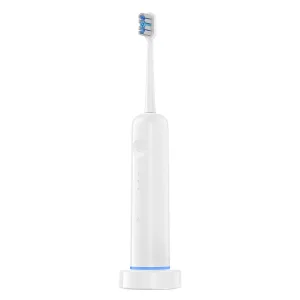
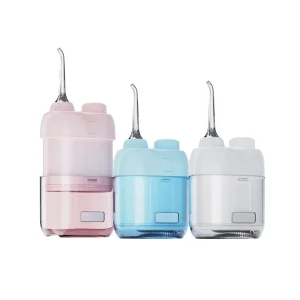
Complementary Personal Wellness & Dental Hardware
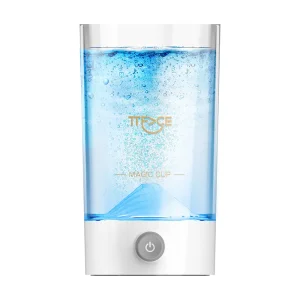
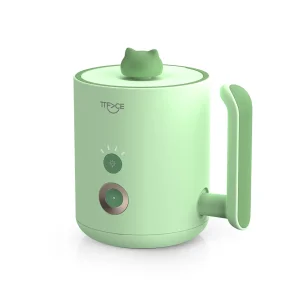
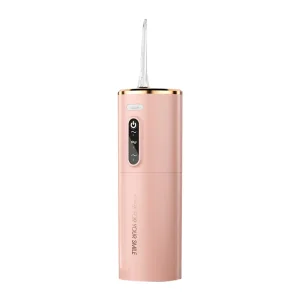
Expand your brand portfolio with our engineered electric toothbrushes, flossing systems, and ultrasonic cleaners.