
How to Choose the Best Professional Manual Toothbrush?

Time:2026-09-29 Author:Ethan
0%

Choosing the right manual toothbrush is a small decision with daily consequences. Yet crowded shelves can make a simple choice feel oddly technical. The World Health Organization’s 2022 Global Oral Health Status Report estimates that oral diseases affect nearly 3.5 billion people worldwide. That figure describes population-level need; it does not prove that one toothbrush prevents disease. Still, it highlights the value of practical, repeatable oral-care habits. Small details matter.

For this guide, a Professional Manual Toothbrush means a well-designed brush selected for reliable everyday use, not a product with a guaranteed clinical advantage. The American Dental Association recommends soft-bristled brushes and brushing twice daily for two minutes with fluoride toothpaste. It also advises replacing a toothbrush every three to four months, or sooner if the bristles become frayed. These are useful benchmarks, but comfort and control matter too. A compact head may reach the back molars more easily, while a nonslip handle can help steady careful strokes. The label alone proves little. This guide will compare bristle softness, head size, handle design, durability, and credible product claims. It will also note where evidence is limited: a more expensive brush is not automatically a better fit. Individual needs vary, especially with braces, sensitive gums, or limited hand mobility, so a dental professional can offer tailored advice. The best choice is one you can use gently and consistently.
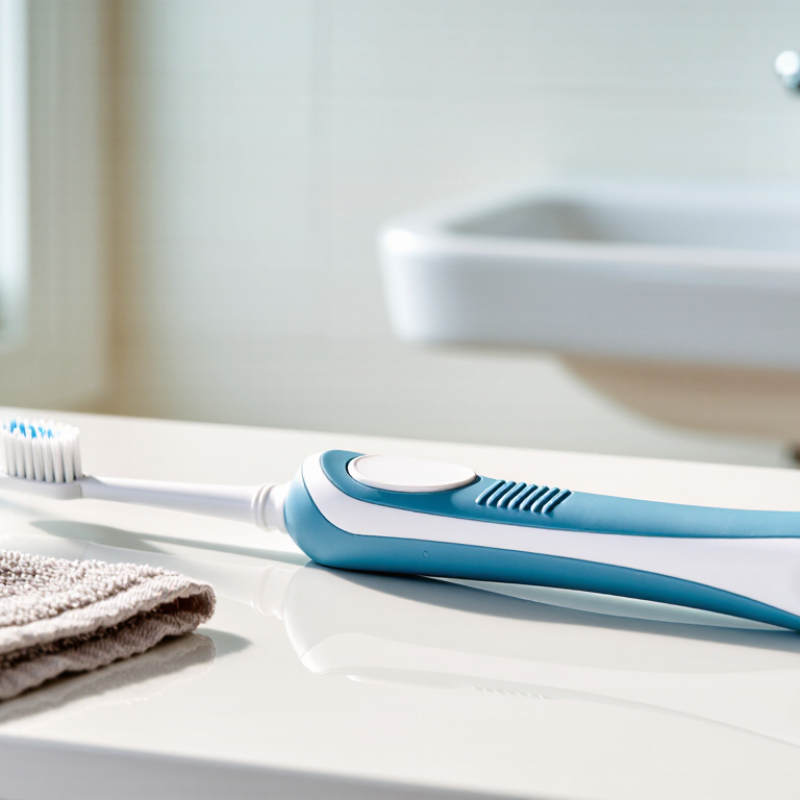
How to Choose the Best Professional Manual Toothbrush?

Verify quality claims against the ADA Seal and ISO 20126 manual-toothbrush standard

How to Choose the Best Professional Manual Toothbrush?

A professional manual toothbrush should pass more than a visual inspection. The ADA Seal indicates that safety, performance, and advertising claims have been reviewed against documented requirements. Check the exact product category and certificate status, not only a printed symbol. The ISO 20126 manual-toothbrush standard sets requirements and test methods for construction, bristle retention, chemical safety, and durability. It does not automatically prove superior plaque removal. That distinction matters.

WHO’s Global Oral Health Status Report estimates that nearly 3.5 billion people live with oral diseases. A reliable brush supports daily prevention, but technique remains decisive. Choose rounded bristles, a stable handle, and a head small enough to reach behind the last molars. I prefer a handle that stays secure with wet fingers. It sounds minor. It is not. Very stiff bristles may feel powerful, yet they can encourage excessive pressure. My own selection process is not perfect; comfort can bias judgment.

Tips: Ask for evidence behind claims such as “deep cleaning” or “professional strength.” Look for an ADA Seal listing and an ISO 20126 compliance statement. Replace a brush when bristles splay, often around three months, as advised by public-health guidance. A 2023 systematic review in the Journal of Clinical Periodontology also links frequent, effective brushing with better plaque control, but outcomes vary with technique. If the handle feels awkward after several uses, reconsider it.

Choose soft bristles, which the ADA recommends for most users

How to Choose the Best Professional Manual Toothbrush?

Choose soft bristles, which the ADA recommends for most users. They clean effectively when used with gentle pressure. Hard bristles may irritate gums or wear enamel over time. A professional manual toothbrush should also have a comfortable handle and a compact head. The head should reach back teeth without forcing your mouth wide open. Small details matter.

I used to press harder when my teeth felt unclean. That habit made my gums feel tender, not fresher. Dental professionals generally recommend holding the brush lightly and using short, controlled strokes. Angle the bristles toward the gumline, then move slowly across each tooth. Brush for about two minutes, twice daily. Replace the toothbrush when bristles bend, spread, or feel rough. A worn brush can clean unevenly.

Tips: Look for soft, rounded bristles and a head that fits your mouth comfortably. Use a mirror to check difficult areas, especially behind the lower front teeth. If your gums bleed often, do not simply switch to firmer bristles. Persistent bleeding deserves professional dental advice. One caution: “soft” does not mean careless brushing. Gentle pressure still requires complete coverage. My own technique remains imperfect, and I sometimes miss the last molars. Checking your habits honestly can improve the result.

Match brush-head size and handle design to your mouth and grip

How to Choose the Best Professional Manual Toothbrush?

Match the brush head to your mouth, not just the label. A compact head may reach the back molars more easily, especially if your mouth is narrow or you have a strong gag reflex. It should still cover a few teeth at a time without forcing your jaw open. A larger head can feel efficient, but may bump your cheeks or miss tight corners. Comfort matters. The best fit is one you can guide gently around every tooth.

Tips: Try holding the brush with damp fingers. Check whether the handle feels secure without squeezing hard. If possible, test how easily the head reaches your back teeth.

Handle shape affects control, particularly if your hands are small or gripping is difficult. A wider, lightly textured handle may feel steadier; a slim handle may offer more precise movement for some people. There is no single shape that suits everyone. Notice whether your wrist stays relaxed and whether you can angle the bristles toward the gumline. Soft bristles are generally a sensible choice, and scrubbing harder is not a substitute for careful brushing. One detail is easy to overlook: a brush that feels fine in the store may feel awkward after two minutes at the sink.

Compare cleaning features without assuming higher prices mean better results

How to Choose the Best Professional Manual Toothbrush?

A professional manual toothbrush is not automatically better because it costs more. Compare how its head, bristles, and handle work for your mouth. A compact head may reach behind the last molars more comfortably, while a broad one can feel awkward in a crowded mouth. Soft, evenly trimmed bristles are a sensible option for many people, especially when brushing gently along the gumline. That matters. Check whether the handle stays secure with wet fingers and lets you guide short strokes without squeezing hard. Packaging can look impressive, but it cannot show how the brush feels in your hand.

Try to judge practical details rather than claims about “advanced” cleaning. Does the head reach your back teeth? Do the bristles feel gentle, not scratchy, against your gums? Can you control the angle near the gumline? A higher price may reflect materials or packaging, not a measurable improvement in your brushing. I still wonder how much small handle differences matter until I use a brush for several days. Personal comfort is imperfect evidence, but it can affect whether you brush carefully and consistently. Replace a brush when its bristles splay, and ask a dental professional for guidance if brushing causes bleeding or discomfort.

Plan to replace your toothbrush every 3–4 months, per ADA guidance

How to Choose the Best Professional Manual Toothbrush?

A professional manual toothbrush should feel comfortable, controlled, and gentle against your gums. Choose soft bristles with rounded ends. They clean effectively without unnecessary pressure. A compact head can reach behind molars and along the gumline more easily. The handle should stay steady when wet, especially during rushed morning brushing. Look for clear product information and recognized dental guidance rather than exaggerated promises.

The ADA recommends replacing your toothbrush every three to four months. Replace it sooner if the bristles bend, spread, or look worn. I used to wait until the handle looked old. That was a poor measurement. Bristle condition matters more. A calendar reminder can help, but it is not a perfect rule. Heavy brushing may wear bristles earlier. Children may damage them faster.

Tips: Rinse the brush thoroughly after use and store it upright in open air. Do not share toothbrushes. Use gentle, small movements for two minutes, rather than scrubbing hard. Check your brush monthly under bright light. If the bristles look flattened, replace it. Ask a dental professional for advice if brushing causes persistent bleeding or discomfort.

FAQS

How do I choose the right toothbrush head size?

Match it to your mouth, not the label. A compact head may reach back molars more easily, especially in a narrow mouth. A larger head can bump your cheeks. Comfort matters.

What should I look for in a toothbrush handle?

Choose a handle that feels secure with damp fingers. A wider, lightly textured grip may feel steadier, while a slim handle may allow precise movements. Your wrist should stay relaxed.

Are soft bristles a good choice?

Soft bristles with rounded ends are a sensible option for many people. They can clean gently along the gumline. Scrubbing harder is not a substitute for careful brushing.

Does a higher price mean better cleaning?

Not necessarily. Compare the head, bristles, and grip instead of relying on packaging or claims. A brush may look impressive but feel awkward after two minutes.

How can I check whether a brush suits me?

Hold it with damp fingers and see if you can guide it without squeezing hard. Try reaching your back teeth and angling the bristles toward the gumline. A quick test may not reveal every problem.

How should I brush with a manual toothbrush?

Use gentle, small movements for two minutes. Guide the bristles around each tooth rather than scrubbing. It can be hard to keep that pace when you are rushed.

When should I replace my toothbrush?

Replace it every three to four months, or sooner if the bristles bend, spread, or look worn. Check them under bright light each month. Bristle condition matters more than an old-looking handle.

How should I store my toothbrush, and when should I seek advice?

Rinse it thoroughly and store it upright in open air. Do not share toothbrushes. Ask a dental professional if brushing causes persistent bleeding or discomfort.

Conclusion

Choosing a Professional Manual Toothbrush starts with checking its quality claims. Look for the ADA Seal of Acceptance and evidence that the brush meets the ISO 20126 standard for manual toothbrushes. For most people, soft bristles are a suitable choice because they clean effectively while being gentler on teeth and gums. Consider the brush head as well: it should fit comfortably in your mouth and reach the back teeth without difficulty. A handle that feels secure and easy to control can also make brushing more comfortable.

Compare features such as bristle shape, head design, and grip, but do not assume that a higher price means better cleaning results. The best option is one that feels comfortable and helps you brush thoroughly and consistently. Replace your toothbrush every three to four months, or sooner if the bristles become frayed, so it can continue to clean effectively.

Ethan

Ethan

Ethan is a seasoned marketing professional with a deep expertise in our company's innovative product line. With a passion for sharing knowledge and insights, he takes the lead in regularly updating our corporate blog, where he explores industry trends, product features, and effective marketing......