
How to Choose the Best Anti Cavity Toothpaste Supplier

Time:2026-10-09 Author:Oliver
0%

Choosing the right Anti-Cavity Toothpaste supplier affects product safety, consumer trust, and long-term business stability. A reliable supplier should provide clear ingredient specifications, consistent manufacturing records, and evidence supporting cavity-protection claims. Product quality cannot be judged by packaging alone.

Look for manufacturers with experienced quality teams and documented production controls. Ask for batch records, certificates of analysis, stability data, and microbial testing results. Independent certifications can strengthen confidence, but they should be verified rather than accepted at face value. A factory tour, whether physical or virtual, may reveal useful details. Observe raw material storage, filling lines, cleaning procedures, and finished-goods inspection. Small details matter.

Request samples from different production batches. Compare taste, texture, foam, color, and packaging accuracy. Then check whether the supplier can maintain those standards at larger volumes. Confirm ingredient traceability, minimum order quantities, lead times, shipping conditions, and complaint-handling procedures. A capable partner should answer clearly and provide practical documentation.

Do not rely on the lowest quotation.

Very low prices may reflect weaker controls, unstable materials, or hidden costs. However, a higher price does not automatically prove superior quality. That assumption deserves scrutiny. Review the supplier’s export experience, customer references, corrective-action history, and communication speed. Professional advice from dental or regulatory specialists can also reduce avoidable mistakes. The best choice is not simply the largest factory. It is a transparent, responsive supplier that consistently delivers safe, compliant, and well-supported Anti-Cavity Toothpaste. Even strong suppliers need periodic review, because standards, formulas, and market expectations can change.
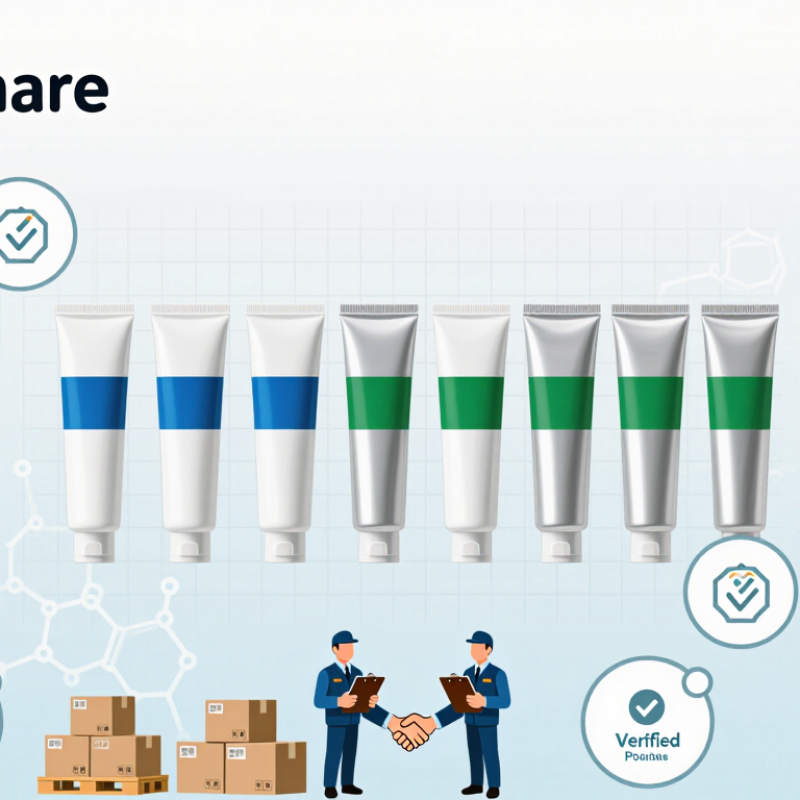
How to Choose the Best Anti Cavity Toothpaste Supplier

Define Anti-Cavity Toothpaste Requirements and Product Standards

Choosing the Best Anti-Cavity Toothpaste Supplier

Before comparing suppliers, define the toothpaste requirements in measurable terms. Specify the intended users, fluoride source, fluoride level, flavor profile, texture, packaging size, and target market. Fluoride levels must match applicable regulations and professional guidance in each sales region. Avoid vague claims such as “strong protection” unless testing supports them.

Product standards should cover more than the ingredient list. Request certificates of analysis for each batch, stability data, microbial testing, heavy metal limits, pH, and relative dentin abrasivity results. Check whether the formula remains uniform after heat exposure and transport. A tube that separates in storage is not a reliable product.

Ask suppliers for documented manufacturing controls, traceability, complaint handling, and change-notification procedures. The finished toothpaste should match approved specifications, not just a promising sample. Packaging also matters: confirm seal integrity, ingredient labeling, expiration dating, and dosage instructions. These details protect users and reduce avoidable recalls.

Do not select on price alone. A cheaper formula may require costly reformulation later. A common purchasing mistake is accepting a polished specification sheet without independent verification. Require representative samples and compare them with laboratory results. Some requirements may conflict; stronger polishing can reduce comfort, while milder textures may affect cleaning performance. Record these trade-offs clearly, then decide which standards are essential and which remain open to review.

How to Choose the Best Anti-Cavity Toothpaste Supplier

Use these reference benchmarks when defining supplier requirements: fluoride toothpaste is commonly formulated within the 1,000–1,500 ppm range, ISO 11609 specifies a pH range of 5.5–10.5 for dentifrices, and an RDA value of 250 or below is widely used as an abrasivity limit for toothpaste evaluation. Microbiological specifications should also be verified according to the applicable market regulations and testing standards.

Evaluate Supplier Qualifications, Certifications, and Manufacturing Practices

Choosing an anti-cavity toothpaste supplier requires more than comparing prices. The 2022 WHO Global Oral Health Status Report estimates that 2.5 billion people have untreated caries in permanent teeth. This demand increases the need for reliable fluoride control, clean production, and documented quality systems.

Ask suppliers to provide current manufacturing licenses, audited quality records, and responsible technical contacts. ISO 22716 compliance can indicate stronger cosmetic manufacturing controls, including hygiene, traceability, and batch documentation. ISO 11609 also outlines dentifrice requirements, test methods, and product marking. Certificates alone are not enough. Verify the issuing body, scope, expiry date, and covered factory.

Request recent certificates of analysis for fluoride concentration, abrasivity, microbial limits, heavy metals, pH, and stability. Compare these results with independent laboratory testing. A credible supplier should explain raw material approval, equipment cleaning, line clearance, and recall procedures without vague answers. Visit the facility if possible. Look for sealed ingredient containers, calibrated instruments, and clear batch labels.

Small details matter. A missing signature can signal weak document control. An attractive factory may still hide inconsistent testing. I would also review three production batches, not just one successful sample. Supplier evaluation is never perfectly tidy; even experienced buyers can overvalue certificates and undervalue daily manufacturing discipline.

Compare Formula Quality, Safety, Efficacy, and Ingredient Transparency

Choosing an anti-cavity toothpaste supplier requires more than comparing prices. Formula quality should be examined at ingredient level. Check the active ingredient, concentration, abrasive system, flavoring, humectants, and preservative choices. A reliable supplier should provide batch specifications and stability data. Small details matter.

Safety records deserve close attention. Ask for microbial testing, heavy metal controls, allergen information, and packaging compatibility reports. The toothpaste should remain stable after repeated opening in a humid bathroom. Independent laboratory results can support these claims. However, one test report is not enough. Review the testing date, method, sample batch, and laboratory credentials.

Efficacy needs practical evidence. Look for controlled studies or technically sound testing related to enamel protection and cavity prevention. Avoid suppliers that promise instant repair or absolute protection. Those claims often hide weak evidence. Ingredient transparency builds trust. A complete ingredient list, source information, specification sheet, and change-control policy help buyers assess consistency. Request samples from different production batches, then compare color, texture, foam, and taste. I once underestimated texture differences; users noticed them immediately. Transparency is still imperfect when suppliers disclose percentages without explaining their function. That gap deserves a direct question.

Assess Customization Options, Packaging, Pricing, and Minimum Orders

Choosing an anti-cavity toothpaste supplier requires more than comparing price lists. The World Health Organization reports that untreated dental caries affects about 2.5 billion people worldwide. This demand makes formula quality and production consistency essential. Ask for fluoride concentration, stability data, microbial testing, and documented quality controls. Customization should include flavor, abrasivity, tube size, and labeling support. Avoid vague claims such as “premium protection.”

Packaging needs equal attention. Request samples using the actual tube, cap, carton, and seal. Check leakage after transport simulation. Packaging should protect the paste without creating unnecessary material waste. The 2023 Global Commitment Progress Report from the Ellen MacArthur Foundation shows that packaging waste reduction remains a major industry challenge. Recyclability claims can also be unclear. Confirm the material structure with technical documents, not only sales language. Small details matter.

Pricing should be calculated per finished unit, including tooling, testing, artwork, freight, and inspection fees. A low unit price may become expensive after these additions. Ask for quotations at several volumes, such as 5,000, 20,000, and 50,000 units. Minimum order quantities should match realistic sales forecasts and storage capacity. In my view, a smaller pilot order is safer than a large commitment, although it may reduce the initial price advantage. The supplier should explain lead times, payment stages, replacement terms, and batch traceability in writing. Mistakes still happen, so transparent corrective procedures deserve serious weight.

Verify Supplier Reliability Through Samples, Audits, and Customer Support

How to Choose the Best Anti Cavity Toothpaste Supplier

A reliable supplier should prove quality before you discuss large orders. Request samples from regular production, not specially prepared batches. Check texture, flavor consistency, packaging seals, and ingredient information. Ask for test reports supporting fluoride levels, stability, and microbial safety. These details show technical competence and reduce avoidable risks.

Tips: Compare at least three samples. Record storage conditions. Ask how complaints are investigated. During an audit, review batch records, raw material controls, sanitation procedures, and product traceability. A clean facility is useful, but documented processes matter more. If visiting is impossible, request a live video inspection and recent independent laboratory results. Suppliers should answer clearly, even when problems appear. Delayed replies can reveal weak internal communication.

Customer support deserves practical testing. Send specific questions about minimum order quantities, lead times, packaging changes, and corrective actions. Notice whether the supplier provides evidence or vague promises. I once paid too much attention to a smooth sales presentation and overlooked slow technical responses. That was a costly warning. Reliable teams explain limitations, share realistic timelines, and maintain contact after delivery. They should also identify a responsible quality representative. Trust develops through repeated evidence, not confident language.

How to Choose the Best Anti Cavity Toothpaste Supplier - Verify Supplier Reliability Through Samples, Audits, and Customer Support

Evidence-based supplier due-diligence scorecard for evaluating product quality, manufacturing controls, compliance, and after-sales support.

Evaluation Dimension Verification Method Evidence to Request Recommended Acceptance Criterion Weight
Product Samples Request samples from at least three separate production lots rather than relying on one promotional sample. Lot numbers, manufacturing dates, packaging photographs, ingredient list, certificate of analysis, and retained-sample procedure. Required
All lots should match the approved formula, packaging specification, and declared active ingredient.
20%
Fluoride Verification Have an independent laboratory test the total and available fluoride content when a fluoride claim is made. Laboratory report using a validated analytical method, product specification, and applicable market requirements. Critical
Results should comply with the legal limit and the approved product specification in the destination market.
15%
Microbiological Safety Review microbiological testing for finished toothpaste and the supplier’s environmental monitoring program. Recent test results for total microbial count, specified microorganisms, sampling plan, and corrective-action records. Critical
Results must meet the applicable pharmacopoeial, cosmetic, or national regulatory requirements.
15%
Manufacturing Audit Conduct a remote or on-site audit covering production, hygiene, documentation, traceability, and change control. Audit report, manufacturing license where applicable, quality manual, batch records, deviation log, and CAPA records. Required
No unresolved critical findings; major findings should have documented corrective actions and due dates.
15%
Quality Management System Assess whether procedures are controlled and consistently applied across purchasing, production, testing, release, and complaints. Quality policy, SOP index, training records, internal-audit schedule, document-control procedure, and management-review evidence. Recommended
A documented quality system with current procedures, trained personnel, and traceable records.
10%
Regulatory Readiness Check whether the supplier can support the regulatory and labeling requirements of the target sales market. Ingredient compliance statement, safety data, label artwork, claims substantiation, product information file, and export documents where relevant. Critical
All ingredients, claims, warnings, and packaging information must be reviewed against destination-market rules before launch.
10%
Packaging and Shelf Life Inspect tube, cap, carton, seal integrity, batch coding, transport protection, and stability information. Packaging specifications, compatibility assessment, stability data, accelerated-aging results, and transport-test records. Required
Packaging must protect the product throughout the declared shelf life and display a legible lot code.
5%
Traceability and Recall Capability Ask the supplier to demonstrate how raw materials and finished goods are traced from receipt through delivery. Mock-recall report, batch genealogy, supplier-approval records, distribution records, and recall contact list. Critical
The supplier should be able to identify affected batches, customers, and corrective actions from documented records.
5%
Customer Support Test communication before signing a contract by submitting technical, quality, and delivery questions. Named quality contact, response-time policy, complaint procedure, escalation path, change-notification policy, and service records. Recommended
Clear ownership, written responses, timely escalation, and advance notice of formula or packaging changes.
5%

Decision rule: Approve only suppliers that meet all critical requirements, close major audit findings within an agreed timeline, and achieve at least 80% of the weighted score. Acceptance criteria should always be confirmed against the regulations and labeling requirements of the intended sales market.

FAQS

What documents should an anti-cavity toothpaste supplier provide?

Request current manufacturing licenses, audited quality records, and responsible technical contacts. Check certificate scope, expiry dates, and the covered factory.

Which quality standards are useful during supplier evaluation?

ISO 22716 can show stronger hygiene, traceability, and batch controls. ISO 11609 covers dentifrice requirements, testing methods, and product marking.

What test results should buyers request?

Ask for recent results covering fluoride concentration, abrasivity, microbial limits, heavy metals, pH, and stability. Compare them with independent laboratory testing.

How should toothpaste samples be evaluated?

Request samples from regular production. Check texture, flavor consistency, package seals, and ingredient information. Compare at least three samples.

What should an on-site audit examine?

Review sealed ingredient containers, calibrated instruments, sanitation procedures, line clearance, batch records, and product traceability. Clear batch labels should be visible.

What if visiting the factory is impossible?

Request a live video inspection and recent independent laboratory reports. Ask the supplier to show storage areas, production lines, and batch documentation.

How can customer support reveal supplier reliability?

Ask about minimum order quantities, lead times, packaging changes, complaints, and corrective actions. Strong teams provide evidence and realistic timelines.

Should buyers review more than one production batch?

Yes. Review at least three batches when possible. One successful sample may hide inconsistent testing or manufacturing discipline.

What common mistake should buyers avoid?

Do not overvalue attractive certificates or smooth sales presentations. Slow technical replies may reveal weak communication. I have seen this become costly.

Conclusion

Choosing the right Anti-Cavity Toothpaste supplier starts with clearly defining your product requirements, target consumers, active ingredients, flavor, texture, packaging format, and applicable quality standards. A dependable supplier should provide valid certifications, transparent manufacturing practices, strict quality control, and evidence that its facilities can consistently produce safe and effective products. Carefully review the formula, ingredient origins, safety testing, cavity-protection performance, and labeling transparency before making a decision.

It is also important to compare customization capabilities, packaging options, pricing structures, production capacity, and minimum order quantities. Before signing a long-term agreement, request product samples and evaluate their quality, stability, appearance, and user experience. Where practical, conduct a factory audit or request detailed audit documentation to verify production reliability. Responsive communication, clear timelines, professional technical support, and effective after-sales service are equally important. A supplier that combines strong compliance, formula expertise, flexible cooperation, and dependable customer support can help ensure consistent product quality and long-term business success.

Oliver

Oliver

Oliver is a seasoned marketing professional with a wealth of expertise in driving brand awareness and engagement. With a deep understanding of our company's product offerings, he consistently delivers high-quality content that enriches our professional blog. His insights not only shed light on......