
How to Choose Periodontal Toothpaste in 2026?
Table of Contents
- What Periodontal Toothpaste Is and How It Supports Gum Health
- Which Ingredients to Look for in Periodontal Toothpaste
- How to Match Toothpaste Features to Your Oral Health Needs
- How to Check Safety, Fluoride Content, and Dental Claims
- How to Compare Products and Choose the Right Toothpaste in 2026
- FAQS
- Conclusion
- Related Posts
Choosing the right Periodontal Toothpaste in 2026 requires more than trusting a bright package or a dramatic claim. Healthy gums depend on daily plaque control, gentle brushing, fluoride protection, and professional care. Toothpaste can support these habits, but it cannot repair advanced gum damage on its own. That distinction matters.
Periodontist Dr. Joan Otomo-Corgel has emphasized, “Plaque control is the key to preventing periodontal disease.” Her message keeps the decision practical. Look for a fluoride toothpaste with clear ingredient information and evidence-based benefits. If gum sensitivity is present, potassium nitrate may provide comfort. For frequent bleeding, however, comfort should not replace an examination. Bleeding needs attention.
Small details matter.
A suitable formula should feel comfortable against the gums, especially around exposed tooth roots. Strong flavor does not prove stronger protection. Whitening particles may also feel abrasive for some users. Personal experience can help, but it is not enough evidence by itself. A toothpaste that feels refreshing may still offer limited periodontal support.
This guide compares ingredient functions, clinical claims, product certifications, and everyday usability. It also considers advice from dental professionals rather than relying on marketing language. Readers should check for recognized quality seals, follow brushing instructions, and ask a dentist or periodontist about persistent swelling, bleeding, loose teeth, or bad breath.
No product is perfect. Even careful shoppers can misunderstand labels. The best choice is the one that supports consistent plaque removal without irritating the mouth. In 2026, informed selection means combining reliable science, personal comfort, and professional evaluation.
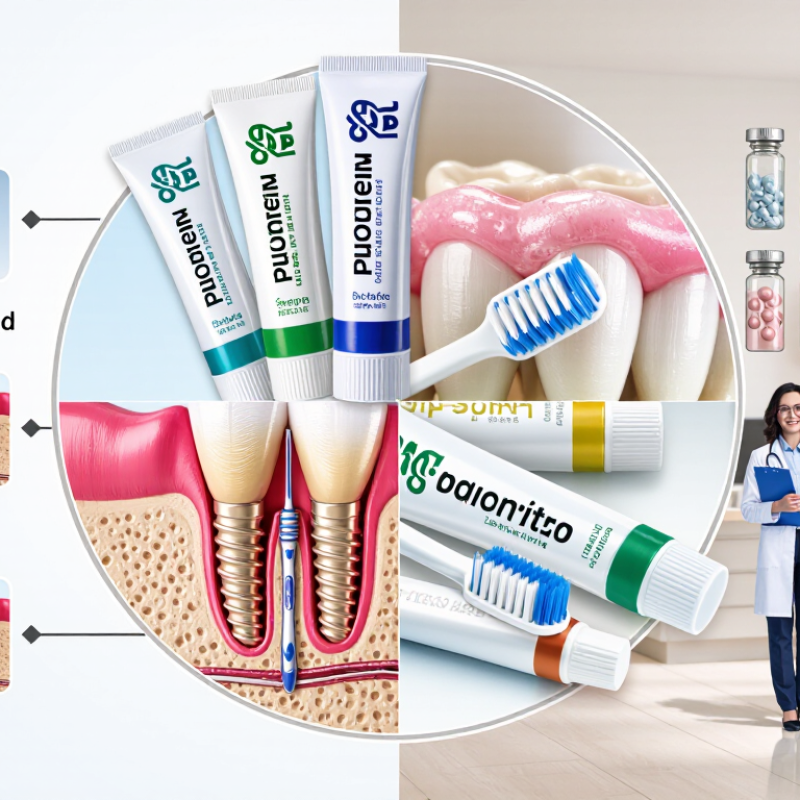
What Periodontal Toothpaste Is and How It Supports Gum Health
Periodontal toothpaste is designed to support gums affected by plaque buildup. It is not a cure for periodontal disease. Gum problems often begin when bacteria remain along the gumline. Fluoride helps protect exposed tooth surfaces from decay. Some formulas also contain stannous fluoride or mild antibacterial ingredients. These may help reduce plaque, sensitivity, and occasional bleeding when used properly. Results differ between people. Toothpaste cannot replace professional cleaning or periodontal treatment.
Choose a formula that feels comfortable and contains fluoride. If your gums sting, peel, or become unusually dry, stop using it and seek dental advice. A common mistake is choosing the strongest taste. Burning does not prove better gum protection. Brushing with heavy pressure can also worsen recession. Dental professionals usually consider bleeding, pocket depth, sensitivity, and medical history before recommending products. That assessment is more reliable than packaging claims.
Tips: Use a soft-bristled brush twice daily. Angle it gently toward the gumline. Clean between teeth each day. Spit after brushing, rather than rinsing heavily. If bleeding continues for more than two weeks, arrange a dental examination. Even good toothpaste cannot remove hardened tartar.
Which Ingredients to Look for in Periodontal Toothpaste
When choosing periodontal toothpaste in 2026, focus on active ingredients rather than bright packaging. Fluoride should be present, because it strengthens enamel and helps prevent cavities around inflamed gums. Stannous fluoride may also help reduce plaque, gingivitis, sensitivity, and acid damage. Check the fluoride concentration on the label. More is not automatically better.
Some formulas contain zinc compounds, which may help control odor and plaque buildup. Potassium nitrate can calm exposed, sensitive tooth surfaces, but it does not treat gum infection. Essential oils may feel refreshing, yet a strong taste does not prove better periodontal protection. Avoid assuming that “natural” means safer or more effective. Evidence matters.
The toothpaste should support, not replace, professional care. Bleeding during brushing can signal gingivitis, periodontitis, or overly forceful brushing. A dentist or hygienist can examine pocket depth and recommend suitable treatment. Prescription antimicrobial ingredients may be appropriate for limited periods, but self-treatment can hide worsening disease. Read the ingredient list carefully. Small details matter. I would also reassess comfort after two weeks, because burning, peeling tissue, or increased sensitivity deserves attention. Some choices remain uncertain, especially when marketing language is stronger than clinical evidence.
How to Choose Periodontal Toothpaste in 2026?
Which Ingredients to Look for in Periodontal Toothpaste
Fluoride is the key ingredient for daily cavity prevention. Representative U.S. over-the-counter label strengths provide approximately 1,000–1,100 ppm fluoride ion, although formulas and regulations vary by country. Stannous fluoride is also commonly selected when plaque and gingival inflammation are concerns.
Potassium nitrate at 5% is primarily used for dentin sensitivity, not as a treatment for periodontal disease. Toothpaste supports daily oral hygiene but does not replace professional periodontal evaluation, cleaning, or treatment.
How to Match Toothpaste Features to Your Oral Health Needs
How to Choose Periodontal Toothpaste in 2026?
Choosing toothpaste for periodontal needs starts with your gums, not the label. The World Health Organization reports that severe periodontal disease affects more than one billion people worldwide. The CDC also found gum disease signs in nearly half of U.S. adults aged 30 and older. These figures make daily plaque control important, but toothpaste is only one part of care.
For frequent bleeding, look for fluoride near 1,450 ppm and ingredients supported for plaque control. Stannous fluoride may help reduce gingival inflammation and sensitivity when used consistently. Choose a gentle formula if your gums feel sore or your teeth react to cold water. Avoid assuming “natural” means safer. Strong whitening powders can feel gritty and may increase surface wear. The evidence is not always perfect, and toothpaste cannot remove hardened tartar. Professional cleaning may still be needed, as periodontal guidelines emphasize clinical assessment and mechanical plaque removal.
Tips: Check the fluoride level on the packaging. Brush twice daily for two minutes with a soft brush. Spit, but avoid immediate vigorous rinsing. If bleeding continues beyond two weeks, arrange a dental examination. Do not use antiseptic ingredients long term without professional advice. A simple bathroom test helps: your gums should feel calmer, not raw, after brushing. Track bleeding with a small note for seven days. This can reveal patterns, though it cannot replace diagnosis.
(WHO Global Oral Health Status Report, 2022; CDC Oral Health Surveillance Report, 2019)
How to Check Safety, Fluoride Content, and Dental Claims
How to Choose Periodontal Toothpaste in 2026?
Choosing periodontal toothpaste starts with safety, not impressive packaging. Read the active ingredients and follow the stated directions. For most adults, toothpaste with about 1,350–1,500 ppm fluoride helps prevent cavities, but local dental guidance may differ. Children need age-appropriate products and smaller amounts. Do not swallow toothpaste, especially when using it several times daily.
Check whether the product makes a clear, legally permitted claim. “Helps prevent cavities” is easier to assess than vague promises about reversing gum disease. Toothpaste may support plaque control, but it cannot remove hardened tartar or cure periodontitis. Look for evidence behind claims involving bleeding gums, sensitivity, or antibacterial effects. If the label hides its fluoride concentration, that is a warning sign. Small print matters.
Consider your own mouth. Strong flavors, abrasive powders, or certain preservatives can irritate sensitive tissues. Stop using a product if swelling, burning, or a rash develops. A soft toothbrush and gentle two-minute brushing still matter more than clever ingredients. It is easy to overvalue a dramatic claim. I sometimes do, especially when the package looks clinical. Bleeding that continues for more than a week deserves a dental examination, not another toothpaste experiment.
How to Compare Products and Choose the Right Toothpaste in 2026
How to Choose Periodontal Toothpaste in 2026?
Periodontal disease affects more than one billion people worldwide, according to the World Health Organization’s Global Oral Health Status Report 2022. Choosing toothpaste deserves more than reading words such as “gum care.” Compare the active ingredients first. A toothpaste with 1,000–1,500 ppm fluoride supports cavity protection, while zinc salts, stannous fluoride, or antibacterial agents may help reduce plaque and gingival inflammation. Evidence varies by formula, so identical claims do not guarantee identical performance.
Look for clear ingredient concentrations and recognized dental-association approval where available. The 2018 Cochrane review on fluoride toothpaste found consistent caries-prevention benefits, but it did not prove that every specialized formula treats periodontitis. That distinction matters. Toothpaste can support daily care, not replace scaling or periodontal assessment. Check abrasivity if your gums are receding, and avoid harsh whitening powders that feel gritty between teeth.
A pea-sized amount, a soft brush, and two minutes of cleaning matter more than dramatic packaging claims.
My comparison method is not perfect. Labels differ across countries, and some clinical evidence remains limited. I would test comfort, bleeding changes, and sensitivity for several weeks, then ask a dental professional for advice.
Persistent bleeding needs attention. That is not a toothpaste problem alone.
FAQS
It supports gum health by helping control plaque near the gumline. It does not cure periodontal disease.
Choose fluoride toothpaste, often around 1,350–1,500 ppm for adults. Some formulas include stannous fluoride or mild antibacterial ingredients.
No. Toothpaste cannot remove hardened tartar. Professional cleaning may be necessary.
Use a soft-bristled brush twice daily. Angle it gently toward the gumline and brush for about two minutes.
No. Burning does not prove better results. Strong flavors may irritate sensitive tissues.
Stop using it if burning, peeling, swelling, unusual dryness, or a rash develops. Seek dental advice.
Arrange an examination if bleeding continues for more than one or two weeks. Persistent bleeding needs assessment, not endless toothpaste changes.
Spit after brushing instead of rinsing heavily. This may leave more fluoride on the teeth.
Look for clear, legally permitted claims and visible fluoride information. Vague promises about reversing gum disease deserve caution.
Children need age-appropriate fluoride products and smaller amounts. They should not swallow toothpaste. Mistakes happen.
Conclusion
Choosing the right Periodontal Toothpaste in 2026 starts with understanding how it supports gum health. A suitable formula should help remove plaque, freshen breath, protect tooth enamel, and support healthier gums when used with regular brushing and flossing. Look for evidence-based ingredients such as fluoride for cavity prevention and gentle cleansing or soothing agents that match your needs. People with sensitivity, bleeding gums, dry mouth, or a history of gum problems may require different toothpaste features, so personal symptoms and professional dental advice should guide the choice.
Before purchasing, check the fluoride content, usage instructions, ingredient list, and the credibility of any dental claims. Avoid assuming that a stronger flavor or more abrasive texture means better cleaning, especially if your gums or enamel are sensitive. Compare products by their purpose, safety information, comfort, and suitability for daily use rather than relying only on packaging. In 2026, the best Periodontal Toothpaste is one that fits your oral health needs and complements regular dental checkups and effective home care.

Blog Tags: