
How to Choose Cavity Protection Toothpaste in 2026?

Time:2026-10-14 Author:Henry
0%

Choosing the right Cavity Protection Toothpaste in 2026 requires more than trusting bright packaging or attractive flavor claims. A suitable product should match your fluoride needs, brushing habits, sensitivity, and risk of tooth decay. Look for an established fluoride formulation, clear ingredient labeling, and evidence supporting its cavity-protection claims. A fresh mint taste is pleasant, but it cannot repair poor brushing technique.

Dr. Edmond Hewlett, a UCLA dental professor and consumer adviser to the American Dental Association, has stated, “Fluoride is the most effective cavity-fighting ingredient in toothpaste.” This principle remains important as toothpaste brands introduce whitening agents, herbal extracts, enzymes, and low-abrasion formulas. Check the fluoride concentration listed on the package. Most adults benefit from brushing twice daily with a toothpaste containing around 1,000 to 1,500 parts per million fluoride, unless a dental professional recommends otherwise. Children need age-appropriate guidance.

Small details matter. A pea-sized amount is usually enough for children. Adults need only a modest strip. Spit after brushing. Do not rinse immediately with plenty of water. That habit can wash away protective fluoride. Still, product choice is not perfectly simple. Some people experience irritation from strong flavors or foaming ingredients. Others may need extra protection because of dry mouth, braces, frequent snacking, or previous cavities. Personal experience helps, but it can mislead. A toothpaste that feels powerful may still be unsuitable. Ask a dentist or hygienist to review your risk, especially after repeated cavities. The best Cavity Protection Toothpaste is the one you can use correctly, consistently, and comfortably.
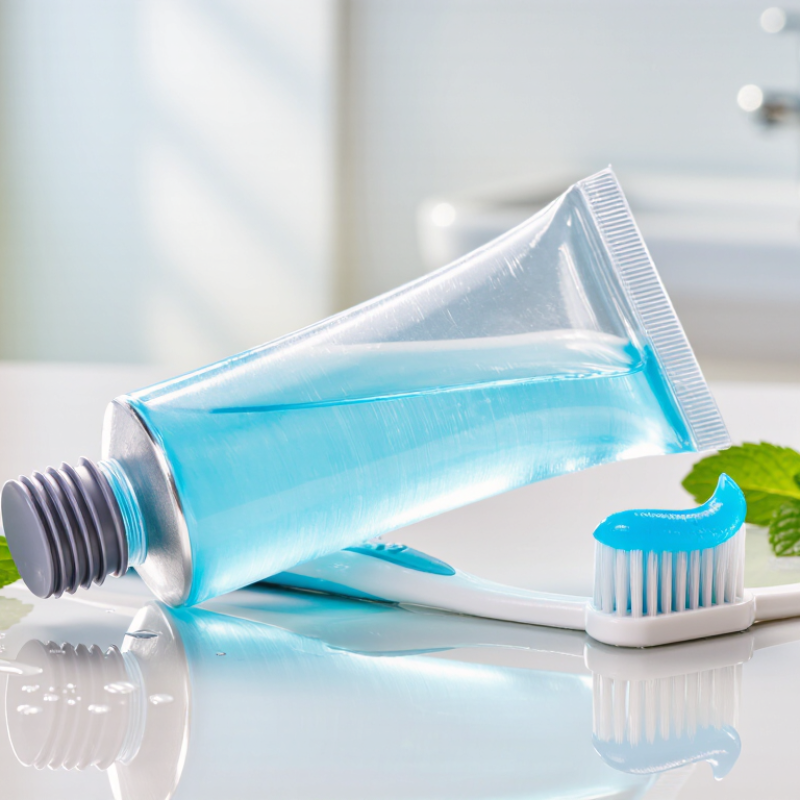
How to Choose Cavity Protection Toothpaste in 2026?

What Cavity Protection Toothpaste Does and Why It Matters

How to Choose Cavity Protection Toothpaste in 2026?

Cavity protection toothpaste matters because enamel faces acid attacks every day. Plaque bacteria feed on sugars and produce acids that weaken tooth surfaces. Fluoride helps rebuild early enamel damage and slows mineral loss. The World Health Organization’s Global Oral Health Status Report (2022) estimates that 2.5 billion people have untreated cavities in permanent teeth. That figure makes prevention more than a cosmetic choice.

Look for a clearly stated fluoride concentration, usually 1,000–1,500 ppm for adults. A Cochrane review found fluoride toothpaste more effective than non-fluoride toothpaste for preventing decay. However, the label alone cannot protect your teeth. Brushing twice daily, cleaning along the gumline, and reducing frequent sugary drinks still matter. I would not pretend toothpaste can repair every cavity. A painful tooth needs professional assessment, not stronger brushing. Whitening claims can distract from the basic evidence.

Tips: Check the fluoride level, brush for two minutes, and spit instead of rinsing immediately. Use a soft brush. Replace it when bristles bend. Children need age-appropriate amounts and supervision. Personal habits also matter; even excellent toothpaste fails when used irregularly.

Which Ingredients Strengthen Teeth and Prevent Decay

How to Choose Cavity Protection Toothpaste in 2026?

The most reliable cavity-fighting ingredient remains fluoride. It helps rebuild weakened enamel and makes teeth more resistant to acid attacks. For most adults, dental professionals commonly recommend toothpaste containing about 1,450 parts per million of fluoride. Check the ingredient panel, not only the front label.
Sodium fluoride and stannous fluoride Sodium fluoride and stannous fluoride can both support decay prevention. Stannous fluoride may also help reduce sensitivity and plaque, although some users notice surface staining. That trade-off deserves an honest discussion.
Hydroxyapatite Hydroxyapatite is another ingredient receiving attention in 2026. It resembles a natural mineral in enamel and may support surface repair. However, research is still developing, and it should not automatically replace fluoride for people with frequent cavities.

Calcium and phosphate ingredients may assist remineralization, but their benefits depend on the complete formula. Stronger is not always better. Highly abrasive toothpaste can gradually wear exposed dentin, especially with forceful brushing.

Tips: Choose a fluoride toothpaste unless your dentist advises otherwise. Spit after brushing, but avoid immediate, repeated rinsing with water. Brush gently for two minutes, morning and night. If your mouth feels dry, select a formula without harsh foaming agents and drink water regularly. Children need age-appropriate amounts and supervision. Personal experience matters, yet persistent pain, bleeding, or new cavities require a dental examination rather than another toothpaste experiment.

How to Match Toothpaste Features to Your Oral Health Needs

How to Choose Cavity Protection Toothpaste in 2026?

Toothpaste should match your oral health needs, not just its packaging. The World Health Organization reports that untreated cavities affect about 2.5 billion people with permanent teeth. That makes fluoride protection a practical priority. Look for a fluoride toothpaste approved by your local dental authority. Many adult formulas contain 1,000–1,500 ppm fluoride. Children may need different amounts, based on age and professional advice.

Sensitivity changes the choice. A toothpaste with potassium nitrate or arginine may reduce painful responses to cold drinks. However, improvement can take several weeks. For frequent bleeding, choose a gentle formula and arrange a dental examination. Bleeding gums are not simply a toothpaste problem. Whitening formulas can also feel harsh, especially with aggressive brushing. Research reviews repeatedly warn that brushing pressure and abrasive ingredients can affect exposed dentine. That detail is easy to overlook.

Tips: Check the fluoride level, not only “cavity protection.” Use a soft-bristled brush and a pea-sized amount for children. Spit after brushing instead of rinsing heavily. A dental professional can recommend higher-strength fluoride when decay risk is high. Do not place prescription-level products in a child’s routine without guidance. Also, toothpaste cannot rebuild a formed cavity. I sometimes think “stronger” means better, but that assumption is unreliable. Diet, saliva flow, brushing technique, and regular checkups matter too. These recommendations reflect WHO oral-health data and evidence summarized in Cochrane reviews.

How to Compare Fluoride Levels, Formulas, and Safety Standards

How to Choose Cavity Protection Toothpaste in 2026?

Fluoride level matters more than colorful claims. The World Health Organization’s Global Oral Health Status Report (2022) estimated that 2.5 billion people have untreated cavities in permanent teeth. For most adults, dental guidance commonly supports toothpaste containing 1,350–1,500 ppm fluoride. Some products contain less, so read the label carefully. More is not automatically better.

Compare the fluoride source, too. Sodium fluoride, sodium monofluorophosphate, and stannous fluoride can protect enamel, but their formulas behave differently. Stannous fluoride may also support gum health, although taste and staining concerns can affect daily use. A toothpaste meeting ISO 11609:2017 should follow requirements for composition, labeling, packaging, and stability. Still, certification language can be confusing. Check the actual standard or regulatory statement, not vague “advanced protection” wording.

Look at abrasivity when enamel feels sensitive. Highly abrasive formulas may clean surface stains, but aggressive brushing can worsen wear. That point is easy to underestimate. Safety also depends on use: brush twice daily, spit rather than swallow, and supervise young children. I would not choose a product only because it contains many active ingredients. A simple formula with a clearly stated fluoride concentration may be easier to evaluate. Personal experience matters, but recurring sensitivity or decay deserves professional advice. Regulations differ by country, so local dental guidance remains important.

How to Use and Reassess Your Toothpaste for Ongoing Protection

How to Choose Cavity Protection Toothpaste in 2026?

Choosing toothpaste is only half the task. Using it correctly matters more over time. Look for fluoride, usually around 1,000–1,500 ppm for adults, unless a dental professional recommends otherwise. The 2022 WHO Global Oral Health Status Report estimates that 2.5 billion people have untreated cavities in permanent teeth. That figure makes routine protection important, not optional. A 2019 Cochrane review found that fluoride toothpaste reduces caries by about 24% compared with non-fluoride toothpaste.

Brush twice daily for two minutes. Use a soft brush and gentle pressure. Spit after brushing, but avoid rinsing heavily with water. This keeps more fluoride near the enamel. Do not judge toothpaste only by its flavor or foam. A fresh feeling can be misleading. I have noticed that people often brush harder when they dislike the taste, which may irritate gums. That habit needs reconsideration. If sensitivity, bleeding, dry mouth, frequent snacking, or new fillings appear, reassess your toothpaste and cleaning routine with a dental professional.

Tips: Check the fluoride level on the label. Replace the tube when its texture or smell changes. Review your choice after dental treatment or medication changes. Keep a simple note of sensitivity and bleeding for two weeks. Small details reveal patterns. If problems continue, ask for an individualized fluoride plan.

How to Choose Cavity Protection Toothpaste in 2026?

How to Use and Reassess Your Toothpaste for Ongoing Protection

Fluoride concentration is a practical starting point when comparing cavity-protection toothpaste. Around 1,000 ppm is commonly used as a minimum preventive concentration, while approximately 1,350–1,500 ppm is widely used for routine family and adult care. Toothpaste containing 2,800 or 5,000 ppm fluoride is generally intended for higher-risk patients under dental-professional guidance. Brush twice daily for about two minutes, spit rather than rinse immediately, and reassess your toothpaste after dental checkups or whenever your cavity risk, age, medications, or sensitivity changes.

FAQS

What fluoride level should adults usually look for in toothpaste?

Many adult toothpastes contain 1,000–1,500 ppm fluoride. Check the label carefully. A dental professional may recommend a higher-strength formula for high decay risk.

Does fluoride toothpaste really help prevent cavities?

Yes, fluoride toothpaste can reduce cavities compared with non-fluoride toothpaste. Use it consistently, not occasionally. However, toothpaste cannot rebuild a formed cavity.

How often should I brush my teeth?

Brush twice daily for about two minutes each time. Use a soft-bristled brush and gentle pressure. Harder brushing is not automatically better.

Should I rinse after brushing?

Spit after brushing, but avoid rinsing heavily with water. This leaves more fluoride near the enamel. It may feel slightly unusual at first.

Which toothpaste ingredients may help sensitive teeth?

Potassium nitrate or arginine may reduce sensitivity to cold drinks. Improvement can take several weeks. Track the pain instead of changing products daily.

What should I do if my gums bleed often?

Choose a gentle toothpaste and arrange a dental examination. Frequent bleeding is not simply a toothpaste problem. Do not ignore it.

Are whitening toothpastes suitable for sensitive teeth?

Whitening formulas may feel harsh, especially with aggressive brushing. Abrasive ingredients and pressure can affect exposed dentine. A brighter surface is not always healthier.

When should I reassess my toothpaste and routine?

Reassess after new sensitivity, bleeding, dry mouth, frequent snacking, or dental treatment. Medication changes may matter too. Keep a simple two-week note.

What toothpaste habits deserve more attention?

Check fluoride content, use a pea-sized amount for children, and follow professional advice. Do not give children prescription-level products without guidance. Flavor and foam can mislead. I sometimes assume stronger means better, but that idea needs reconsideration.

Conclusion

Choosing the right Cavity Protection Toothpaste in 2026 means looking beyond flavor and whitening claims. Effective toothpaste should help remove plaque, strengthen enamel, and reduce the risk of decay through proven ingredients such as fluoride. Consider your individual needs, including sensitivity, frequent cavities, dry mouth, gum concerns, or dietary habits that increase acid exposure. The best formula should feel comfortable enough for consistent daily use while supporting long-term oral health.

Compare fluoride concentration, ingredient transparency, safety testing, and suitability for your age and dental needs. Use a small amount twice daily, brush gently for about two minutes, and avoid rinsing excessively so protective ingredients can remain on the teeth. Toothpaste works best alongside regular flossing, balanced eating habits, and professional dental checkups. Reassess your choice if your oral condition changes, sensitivity continues, or a dental professional recommends a different formula. Consistent use and informed selection are key to maintaining stronger teeth and preventing future decay.

Henry

Henry

Henry is a dedicated marketing professional with a profound expertise in the company's offerings. With years of experience in the industry, he possesses an impressive understanding of the market dynamics and consumer behaviors that drive success. Henry is committed to sharing his insights through......