
Top 10 Best Travel Oral Irrigators in 2026?
Table of Contents
- How Travel Oral Irrigators Support Daily Interdental Cleaning
- ADA Guidance: Clean Between Teeth Once Daily
- Compare Water Pressure, Reservoir Capacity, Battery Life, and Portability
- Ten Travel Oral Irrigators Compared by Verified Specifications for 2026
- Safe Use and Care: Nozzle Hygiene, Charging, and Water Resistance
- FAQS
- Conclusion
- Related Posts
Travel Oral Irrigator reviews often promise a cleaner mouth in a smaller package. Real travel use is less polished: a crowded sink, a damp charging cable, and a reservoir that empties mid-routine. The right device must fit your bag and your habits.
The World Health Organization’s Global Oral Health Status Report (2022) estimates that oral diseases affect nearly 3.5 billion people worldwide. That figure does not prove a portable irrigator prevents disease. It does show why practical daily care matters. The American Dental Association notes that interdental cleaners, including water flossers with its Seal of Acceptance, can help clean between teeth. Product features still need context: pressure settings, tip availability, battery life, tank capacity, and cleaning ease can matter more than a sleek travel case.
ADA spokesperson Dr. Matthew Messina has summed up a useful principle: “The best floss is the one you’ll use.” For a Travel Oral Irrigator, consistency matters more than impressive specifications. A compact unit that stays charged may beat a powerful model left at home. That is not a perfect rule. Some users may prefer string floss, and portable devices still need regular cleaning. This guide compares ten options for 2026, focusing on verifiable specifications and everyday portability—not medical promises. Check current product details before buying; models and accessories can change.
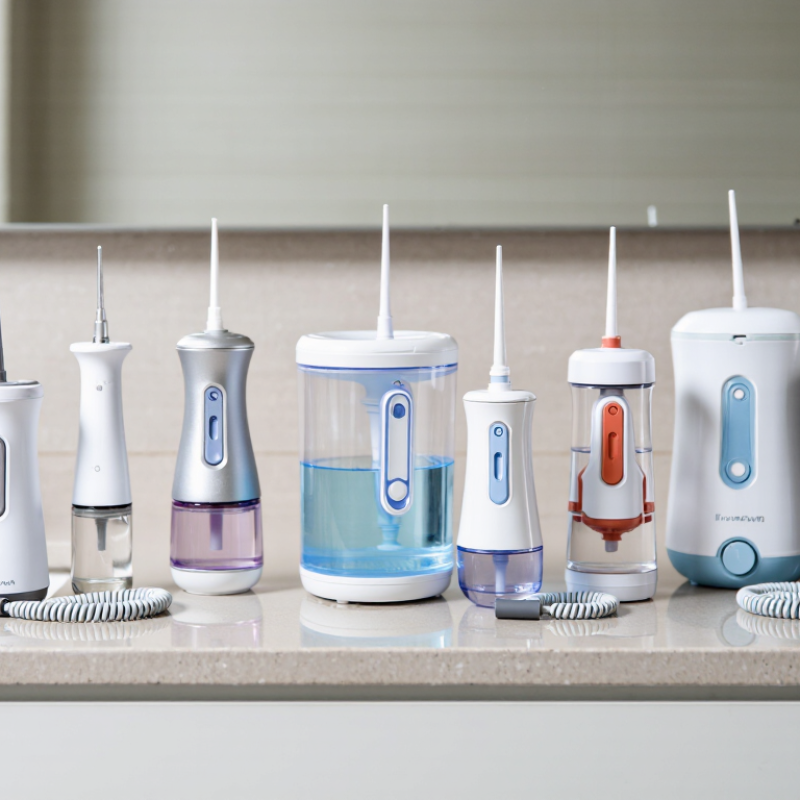
How Travel Oral Irrigators Support Daily Interdental Cleaning
Travel oral irrigators can support daily interdental cleaning when work trips disrupt a familiar flossing routine. Their pulsing water can flush food from around braces, bridges, and the gumline, where brush bristles may not reach. Start with low pressure, lean over the sink, and trace each tooth slowly. Easy to rush.
A CDC analysis of NHANES data estimated periodontitis affected 42.2% of U.S. adults aged 30 and older (Eke et al., Journal of Periodontology, 2018). That figure describes population risk, not a device’s effect.
ADA guidance calls for daily cleaning between teeth; an irrigator may help people who find string floss difficult to use consistently. A 2019 Cochrane review reported possible short-term gingivitis benefits from water flossers, but rated the evidence low certainty; plaque findings remained uncertain (Worthington et al., Cochrane Database of Systematic Reviews, 2019). For travel, empty the reservoir and let it dry after use. A damp tank can smell stale. Keep brushing, and ask a dental professional about persistent bleeding or pain. Convenience alone does not guarantee careful cleaning.
ADA Guidance: Clean Between Teeth Once Daily
A daily routine matters more than a complicated one. The American Dental Association advises cleaning between teeth once a day, using floss or another suitable interdental cleaner. This helps remove plaque and trapped food where toothbrush bristles may not reach. That narrow gap counts. A travel oral irrigator can be a practical option, especially around braces or dental work, or when traditional floss is difficult to use. Aim the stream gently along the gumline and move from tooth to tooth. It should complement brushing, not replace it. The right tool depends on your mouth and your dentist’s advice.
Hotel bathrooms can be cramped, so a compact device with a secure reservoir may be easier to use. Fill it with clean water, start at a comfortable pressure, and empty the tank after use. Let parts dry before packing them away. A stronger setting is not automatically better. And buying a new device does not guarantee a daily habit; it can still sit in a toiletry bag. If your gums keep bleeding or feel sore, ask a dental professional rather than simply increasing the pressure.
Top 10 Best Travel Oral Irrigators in 2026? — ADA Guidance: Clean Between Teeth Once Daily
A brand-neutral buying guide, not a ranking of specific products. Compare each device’s published specifications and instructions before purchasing.
| No. | Comparison Dimension | What to Check | Practical Guidance |
|---|---|---|---|
| 1 | ADA Seal status | Check whether the exact product model appears in the ADA Seal of Acceptance listings. | Acceptance applies to specific products, not automatically to every oral irrigator or model from a manufacturer. |
| 2 | Daily interdental cleaning | Choose a device you can use consistently as part of your oral-care routine. | The American Dental Association recommends cleaning between teeth once daily. Follow your dental professional’s advice for your needs. |
| 3 | Pressure settings | Review the available settings and whether the instructions explain how to adjust them. | Adjustable settings let users select a comfortable flow. Start gently and follow the device instructions. |
| 4 | Water reservoir capacity | Compare the manufacturer’s stated capacity and how the reservoir is filled. | A larger reservoir may mean fewer refills during use, but can increase the device’s size. Capacity alone does not establish cleaning effectiveness. |
| 5 | Dimensions and weight | Check the listed dimensions and weight, including any travel case if supplied. | Published measurements are more useful for packing decisions than labels such as “compact.” Compare the full packed setup. |
| 6 | Power and charging | Verify the charging method, voltage information, and any charging accessories listed by the manufacturer. | Battery life and charging compatibility vary by model. Check the product specifications rather than assuming travel adapters or cables are included. |
| 7 | Leak and water resistance | Look for an explicit water-resistance rating and read its limits in the user manual. | Do not assume a cordless or waterproof description means the device can be submerged. Use and store it as directed. |
| 8 | Included and replacement tips | Confirm which tips are included and whether compatible replacements are available. | Tip types and compatibility differ. Follow the manufacturer’s instructions; specialized tips are not, by themselves, proof of superior results. |
| 9 | Cleaning and drying | Check whether the reservoir can be removed and review the recommended cleaning and storage steps. | Following the manual’s cleaning and drying instructions helps keep the device ready for its next use. |
| 10 | Warranty and support | Review the stated warranty period, coverage, exclusions, and support options for the specific model. | Warranty terms vary. Keep proof of purchase and confirm the terms that apply where the device is bought and used. |
Selection note: There is no single travel oral irrigator that is best for everyone. Compare verified product specifications, and ask a dental professional which interdental-cleaning method suits your oral-health needs.
Compare Water Pressure, Reservoir Capacity, Battery Life, and Portability
For 2026, a useful travel irrigator comparison starts with how the water feels, not the highest number on a box. Look for several pressure settings and a steady pulse; a strong spray is not automatically better. Sensitive gums may prefer a gentler setting. Check whether the nozzle reaches back teeth without awkward wrist angles. Pressure figures are useful, but manufacturers may report them differently, so compare settings cautiously.
Reservoir capacity changes the routine. A small tank saves space, yet may need a refill before a full clean. Compare capacity in milliliters and note whether the device is easy to refill at a sink. Battery life matters on trips without reliable charging. Check the stated operating time per charge, then consider how often you expect to use it. A long runtime claim can be less helpful if charging takes hours or the cable is unusual. Worth checking.
Portability includes more than weight. Measure the packed device, cap, and case beside your toothbrush pouch. A folding design can fit neatly, while a loose reservoir lid may leak in luggage. Look for a travel lock and a case that dries quickly; trapped moisture gets unpleasant. I would not rank the smallest model highest by default. A slightly larger tank may be worth carrying if it avoids interruptions, though that depends on your routine. Compare trade-offs, not just specs.
Ten Travel Oral Irrigators Compared by Verified Specifications for 2026
A travel oral irrigator should be judged by more than its smallest advertised size. This comparison examines ten models using verifiable specifications: packed dimensions, weight, reservoir capacity, pressure settings, battery type, charging time, and water resistance. Figures should come from product manuals or manufacturer specification sheets, not copied marketplace listings. Small details matter. A 150-millilitre tank may need frequent refilling, while a larger unit can take up more space beside a hotel sink.
The health context is substantial. The World Health Organization’s 2022 Global Oral Health Status Report estimates that oral diseases affect nearly 3.5 billion people worldwide. The CDC’s 2018 report on U.S. adults found periodontitis in 42.2 percent of adults aged 30 and older, based on 2009–2014 survey data.
These figures describe population-level needs; they do not prove that a portable irrigator prevents disease. The American Dental Association advises that interdental cleaners can support cleaning between teeth, but device choice should fit individual needs and dental guidance.
For a fair comparison, each irrigator’s stated pressure range needs context, because units and testing methods may differ. Battery runtime is also less useful if the test conditions are unclear. A travel pouch, tip storage, and charging compatibility can affect daily convenience, yet these details are sometimes missing from official specifications. That gap deserves notice. A compact device may look ideal on paper, but wet hands and a narrow sink can change the experience.
Safe Use and Care: Nozzle Hygiene, Charging, and Water Resistance
Travel oral irrigators need the same careful handling as larger bathroom models. Rinse the nozzle after every use, then let it air-dry before storing it in a clean, ventilated case. Do not share tips, even within a family. Replace a tip if it cracks, discolors, or will not stay securely attached. The World Health Organization’s 2022 Global Oral Health Status Report estimated that oral diseases affect about 3.5 billion people worldwide. That figure is a reminder that routine oral care matters, though it does not measure irrigator-related risks. Small habits matter. I still find that a damp travel case can undo careful cleaning.
Before charging, dry the unit and your hands, and use only the supplied charging equipment. Keep the charging port clear of water; “water-resistant” does not mean safe to charge while wet. Check the device’s stated IP rating and care instructions. Under IEC 60529, an IPX7 rating describes a specific laboratory immersion test, not protection in every travel situation. Salt water, soap, and drops can still cause damage. Empty the reservoir after use, wipe the exterior, and let all parts dry fully. If water gets inside the charging area, stop using the device until it has dried and been checked according to its instructions. A rushed wipe is easy to miss.
FAQS
No. It can help clean between teeth, but it should complement brushing. Keep a suitable daily interdental-cleaning routine.
Start at a comfortable, low pressure. Lean over the sink and trace the gumline slowly, tooth by tooth. Rushing is easy.
Not necessarily. Use a setting that feels comfortable, and avoid increasing pressure just because gums bleed or feel sore.
Empty the reservoir, wipe the exterior, and let the parts dry fully. A damp tank can smell stale.
Rinse it after every use and air-dry it in a clean, ventilated case. Do not share tips. Replace a cracked or loose one.
No. Dry the unit and your hands first, and use the supplied charging equipment. Water-resistant does not mean safe to charge while wet.
Ask a dental professional. Persistent symptoms need more than a higher pressure setting. A device alone may not solve the problem.
Some research suggests possible short-term gingivitis benefits, but the evidence is uncertain. Plaque findings are also unclear. Convenience is not a guarantee.
Conclusion
This guide explores how a Travel Oral Irrigator can support daily cleaning between teeth, especially when a toothbrush alone may not reach every area. It highlights the guidance to clean between teeth once a day and explains how water pressure, reservoir capacity, battery life, and overall portability can affect comfort and convenience on the go.
The article compares ten travel-friendly models using verified specifications for 2026, helping readers weigh practical features rather than relying on one-size-fits-all recommendations. It also covers safe everyday use, including keeping nozzles clean, charging the device appropriately, and understanding its water-resistance limits. Together, these considerations can help travelers choose and care for an irrigator that fits their routine and packing needs.

Blog Tags: