
How to Choose Best Toothpaste for Sensitive Teeth 2026

Time:2026-10-04 Author:Oliver
0%

Choosing the best toothpaste for sensitive teeth in 2026 requires more than trusting a bright package or a “gentle” label. The right Sensitive Teeth Care Toothpaste should match the likely cause of discomfort, your brushing habits, and professional dental advice. Cold water, citrus fruit, or a spoon touching one exposed area can reveal how complicated sensitivity may be.

Dr. Edmond Hewlett, a UCLA School of Dentistry professor and American Dental Association consumer advisor, has said, “If you have sensitivity, you need to find out why.” That reminder matters. Sensitivity may result from enamel wear, gum recession, aggressive brushing, whitening products, decay, or a cracked tooth. Toothpaste can reduce symptoms, but it cannot repair every underlying problem.

Look for clinically recognized ingredients, such as potassium nitrate or stannous fluoride. Fluoride supports enamel protection, while low-abrasion formulas may feel kinder on worn surfaces. Check for an independent quality seal when available. Read the ingredient list, not only the front label.

Small details matter.

A soft-bristled brush, gentle pressure, and twice-daily cleaning can support better results. Still, improvement may take several weeks, and not every formula works equally well for everyone. I once assumed stronger “deep-clean” toothpaste meant better protection; that assumption was too simple. A dental professional can help compare ingredients, identify warning signs, and recommend a safer choice when pain persists, intensifies, or affects one specific tooth.
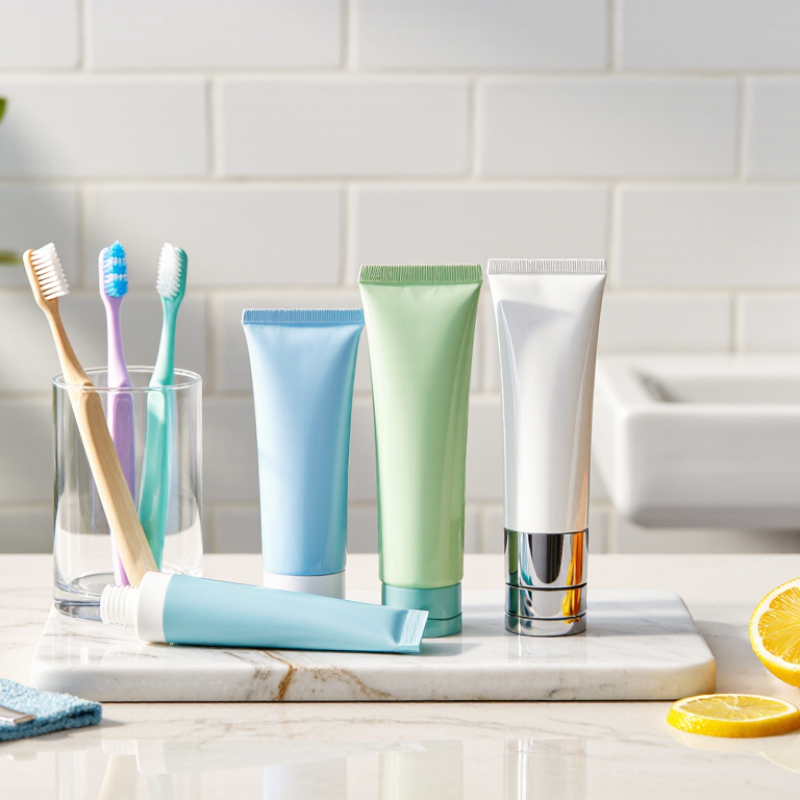
How to Choose Best Toothpaste for Sensitive Teeth 2026

Understanding Tooth Sensitivity and Toothpaste Ingredients

To choose the best toothpaste for sensitive teeth in 2026, understand the cause before trusting the label. Dentin sensitivity occurs when exposed dentin reacts to cold, sweet, or acidic drinks. A systematic review in the Journal of Dentistry reported widely varying prevalence estimates, partly because diagnostic methods differ. That variation matters. Sensitivity is not always harmless.

Look for fluoride as the foundation. The World Health Organization’s Global Oral Health Status Report 2022 estimates that nearly 3.5 billion people live with oral diseases, making cavity prevention essential. Adult toothpaste commonly contains 1,000–1,500 ppm fluoride. Potassium nitrate may calm nerve responses after repeated use. Stannous fluoride can help protect exposed dentin and reduce acid-related damage. Some formulas use arginine to support tubule blockage. Evidence differs among ingredients.

Read the active-ingredient panel, not only the front label. Choose a low-abrasion formula if enamel feels thin or brushing causes sharp pain. Avoid aggressive scrubbing. Use a soft brush and a small, pea-sized amount. Improvement may take several weeks. It is not magic.

Acidic drinks can reopen the problem. Wait before brushing after citrus juice or soda. A practical mistake is switching products too quickly. Give one evidence-based formula enough time, unless irritation appears. Persistent, localized, or worsening pain needs dental assessment, because decay, cracks, or gum recession may be involved. My own caution is simple: “sensitivity toothpaste” describes a purpose, not a diagnosis.

How to Choose the Best Toothpaste for Sensitive Teeth in 2026

Understanding tooth sensitivity and toothpaste ingredients starts with comparing the active ingredients and their typical concentrations. Higher concentration does not automatically mean better performance; choose a formula suited to your symptoms and ensure it contains fluoride for cavity protection.

Potassium nitrate may help reduce nerve response, while stannous fluoride, sodium fluoride, arginine, and strontium compounds support sensitivity management through different mechanisms. Concentrations are representative values commonly used in desensitizing toothpaste; actual formulations vary by product and market. Fluoride compound percentages are not directly equivalent to fluoride-ion concentration.

Identifying the Right Desensitizing Formula for Your Teeth

Choosing the best toothpaste for sensitive teeth in 2026 starts with identifying the right desensitizing formula. Look for an active ingredient such as potassium nitrate, which may calm nerve responses after repeated use. Stannous fluoride can help protect exposed dentin and strengthen areas vulnerable to decay. A fluoride formula also supports everyday cavity prevention. Read the ingredient panel carefully. More foam is not better. Strong whitening particles may increase discomfort when enamel is thin or gums have receded. A gentle, low-abrasion formula is usually a more sensible choice.

Use the toothpaste consistently for several weeks, rather than changing products after two brushes. Give it time. Brush with a soft-bristled brush and lukewarm water, using light pressure around the gumline. Pressing harder is a common mistake. I would not judge a formula by its mint flavor or dramatic cooling effect; those sensations can feel effective without reducing sensitivity. Keep track of the trigger, such as iced water, sweet food, or a cold morning drink. If pain remains sharp, affects one tooth, or continues after regular use, arrange a dental examination. Sensitivity can involve gum recession, decay, a cracked tooth, or worn enamel, and toothpaste alone may not address the cause.

Comparing Fluoride, Potassium Nitrate, and Other Active Ingredients

How to Choose the Best Toothpaste for Sensitive Teeth in 2026

Choosing toothpaste means balancing cavity protection with daily comfort. Fluoride remains the essential active ingredient for strengthening enamel and reducing decay risk. The World Health Organization’s 2022 Global Oral Health Status Report estimates that nearly 3.5 billion people live with oral diseases. Sensitivity often begins when exposed dentin meets cold water, sweet foods, or a hard toothbrush.

Potassium nitrate may calm nerve responses after repeated use. Relief usually develops gradually, not after one brushing. Calcium-based ingredients can help block open dentin channels, while stannous fluoride may support both sensitivity control and gum health. Evidence differs between formulas. A 2023 systematic review reported that several desensitizing ingredients helped, but study quality and treatment times varied. That uncertainty matters. Fluoride has stronger, longer-established evidence for preventing cavities than for stopping sensitivity itself.

Tips: Look for fluoride near 1,000–1,500 ppm, unless your dentist advises otherwise. Use a soft brush and gentle, two-minute strokes. Spit after brushing, rather than rinsing heavily. Try one active formula consistently for several weeks. I have found that switching products too quickly makes results difficult to judge. Pain that persists, worsens, or affects one tooth deserves a dental examination. Sensitivity is sometimes decay, a cracked filling, or gum recession—not simply a toothpaste problem.

Choosing Toothpaste Based on Your Oral Health Needs

Choosing toothpaste for sensitive teeth starts with your actual oral health needs, not the brightest package.

The WHO Global Oral Health Status Report 2022 estimates that oral diseases affect nearly 3.5 billion people worldwide. Sensitivity may come from exposed dentin, enamel wear, gum recession, decay, or aggressive brushing. These causes need different attention. A toothpaste cannot repair every problem.

Look for fluoride, usually around 1,350–1,500 ppm for adults, unless your dentist advises otherwise. Fluoride supports enamel and cavity prevention.

For sharp pain from cold drinks, potassium nitrate or stannous fluoride may help reduce sensitivity over time. Stannous fluoride can also support gum health. If your mouth feels dry, choose a gentle, low-foaming formula and drink water regularly. Dryness increases discomfort. For frequent cavities, prioritize fluoride over whitening claims.

I once chose a whitening toothpaste because my teeth looked dull. The cold-water pain became worse. That shortcut was poor judgment.

Whitening abrasives can be uncomfortable when enamel is thin or roots are exposed. Choose a soft-bristled brush and use light pressure.

Give a sensitivity formula several weeks, while following its label directions. The American Dental Association recommends professional evaluation when pain is persistent, localized, or linked with swelling. I would not ignore one painful tooth. It may need treatment beyond toothpaste.

WHO data also reminds us that prevention depends on daily cleaning, reduced sugar exposure, and access to dental care—not one product alone.

Using Sensitive-Teeth Toothpaste Correctly for Better Results

Choosing toothpaste for sensitive teeth matters, but technique often matters more. A Journal of Dentistry systematic review found dentin hypersensitivity estimates ranging from 1.3% to 92.1%, depending on the population and testing method. That wide range is a warning: sensitivity is not always simple. A cracked tooth, gum recession, erosion, or decay may feel similar.

Use a fluoride toothpaste designed for sensitivity twice daily, following the label’s fluoride guidance. The American Dental Association recommends brushing for two minutes with a soft-bristled brush and gentle pressure. Spend extra time along the gumline, where exposed dentin can react to cold water. Spit after brushing instead of rinsing immediately, so fluoride remains longer. Results may require several weeks of consistent use. I used to press harder, thinking clean meant better. It only made the sharp feeling worse.

Tips: Place a small amount of toothpaste directly on the sensitive area at night, if the instructions allow it. Avoid brushing immediately after acidic drinks or fruit; wait about 30 minutes. Keep a simple note of triggers, such as ice cream, citrus, or cold air. If pain becomes spontaneous, lingers, or affects one tooth, arrange a dental examination. The toothpaste may be helping, but it cannot repair a damaged nerve. One detail is easy to overlook: improvement does not prove the cause is harmless.

FAQS

Which ingredients may help reduce tooth sensitivity?

Potassium nitrate may calm nerve responses after repeated use. Stannous fluoride may protect exposed dentin and support gum health. Fluoride also helps prevent cavities. Give the formula several weeks.

What fluoride level is commonly suitable for adults?

Many adult toothpastes contain about 1,350–1,500 ppm fluoride. Follow the label and your dentist’s advice. Fluoride matters more than brightening claims when cavities are common.

Should I choose a whitening toothpaste for sensitive teeth?

Be cautious with strong whitening particles. They may worsen discomfort when enamel is thin or roots are exposed. I once made that choice and regretted it. A low-abrasion formula is usually gentler.

How should I brush sensitive teeth?

Use a soft-bristled brush, lukewarm water, and light pressure. Brush for two minutes twice daily. Spend extra time near the gumline. Pressing harder is a common mistake.

How long should I use a sensitivity toothpaste?

Use it consistently for several weeks, following the label directions. Changing products after two brushes gives little useful information. Give it time. Track whether cold drinks become easier.

Can toothpaste solve every cause of tooth sensitivity?

No. Sensitivity may involve gum recession, decay, worn enamel, erosion, or a cracked tooth. Toothpaste may reduce symptoms without fixing the cause. That distinction is easy to miss.

What habits can improve comfort while using sensitivity toothpaste?

Spit after brushing instead of rinsing immediately, if the label permits. Wait about 30 minutes after acidic drinks or fruit before brushing. Drink water when your mouth feels dry. Note triggers like ice cream, citrus, or cold air.

When should sensitive teeth receive a dental examination?

Arrange an examination if pain persists, lingers, starts without a trigger, or affects one tooth. Seek care sooner with swelling. One sharp tooth should not be ignored. It may need treatment beyond toothpaste.

Conclusion

Choosing the best toothpaste for sensitive teeth in 2026 begins with understanding why sensitivity occurs and how different ingredients work. Enamel wear, gum recession, exposed dentin, acidic foods, and aggressive brushing can all trigger discomfort. A suitable Sensitive Teeth Care Toothpaste should contain an effective desensitizing ingredient, such as potassium nitrate, which helps calm nerve responses, or other proven compounds that block exposed dentinal tubules. Fluoride is also important because it strengthens enamel and helps prevent cavities, while additional ingredients may support gum health, enamel protection, or relief from acid-related sensitivity.

The right formula depends on your individual oral health needs, including the severity and frequency of discomfort, cavity risk, and gum condition. For better results, use a soft-bristled toothbrush, apply gentle pressure, and brush twice daily with a small amount of toothpaste. Avoid rinsing excessively after brushing so active ingredients can remain on the teeth. Consistent use may take several weeks to provide noticeable relief. If sensitivity persists, worsens, or occurs suddenly, consult a dental professional to identify the underlying cause.

Oliver

Oliver

Oliver is a seasoned marketing professional with a wealth of expertise in driving brand awareness and engagement. With a deep understanding of our company's product offerings, he consistently delivers high-quality content that enriches our professional blog. His insights not only shed light on......