
What Is the Best Portable Water Flosser in 2026?

Time:2026-11-03 Author:Amelia
0%

Choosing the best Portable Water Flosser in 2026 is not just about pressure or sleek packaging. It is about finding a device you will actually use beside a small bathroom sink, in a shared dorm, or while traveling. CDC-supported research estimated that 42% of U.S. adults aged 30 and older had periodontitis during 2009–2014, underscoring why daily gum care matters (Eke et al., Journal of Periodontology, 2018). A water flosser can make cleaning between teeth feel easier, but it does not replace brushing or professional dental care.

The evidence deserves a careful read. The Cochrane review of home interdental-cleaning devices found that water flossers may reduce gingivitis in the short term, but the evidence was low-certainty; it did not establish a clear plaque-removal advantage (Worthington et al., 2019, CD012018). Not every claim holds. The American Dental Association’s Seal of Acceptance can help shoppers identify products assessed against defined safety and effectiveness criteria, though it cannot tell you which model feels comfortable in your hand.

This guide compares portable models using practical details: tank capacity, pressure control, battery life, nozzle access, leakage, and ease of cleaning. We also consider portability without confusing “compact” with “convenient”; a tiny reservoir may need constant refilling. Real use varies. Your dental needs, dexterity, and preferred water pressure matter, so check product specifications and ask a dental professional if you have implants, braces, or gum concerns.
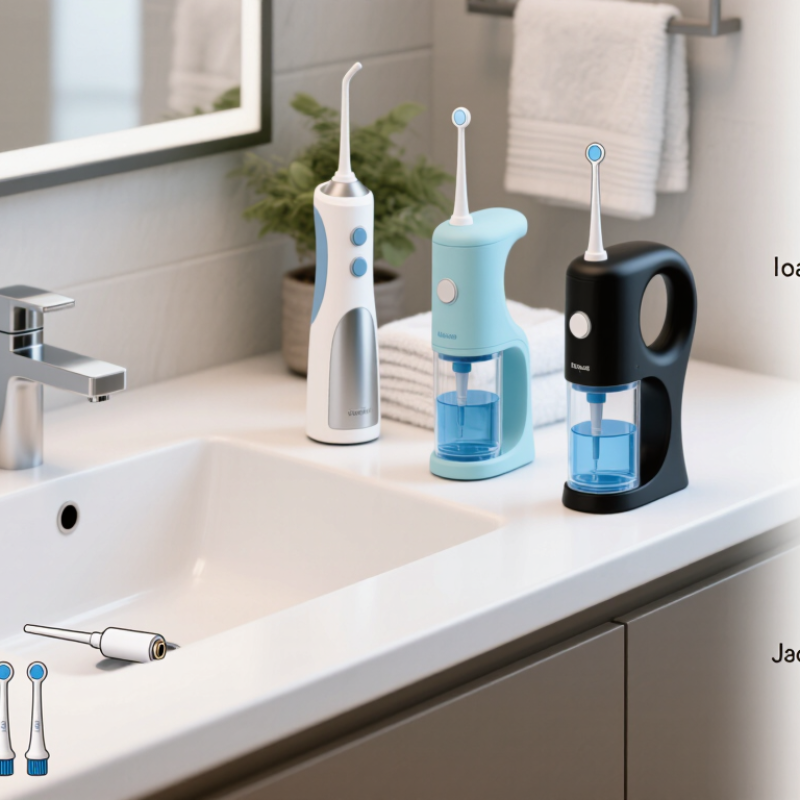
What Is the Best Portable Water Flosser in 2026?

What a Portable Water Flosser Is and How It Works

What Is the Best Portable Water Flosser in 2026?

What a Portable Water Flosser Is and How It Works

A portable water flosser is a handheld device that directs a thin stream of water between teeth and along the gumline. Most models contain a refillable reservoir, a small pump, a rechargeable battery, and a removable nozzle. The pump sends water through the nozzle in quick pulses. Simple idea. The stream can help clear loose food debris, but it does not replace brushing or professional dental care.

To use one, fill the reservoir with lukewarm water, lean over a sink, and guide the nozzle gently along the gumline. Keep your lips partly closed to limit splashing, but leave room for water to drain. Start on a low setting, especially if your gums feel tender. Move slowly around each tooth. It can feel awkward at first; I would not assume more pressure means better cleaning. Follow the device instructions, and ask a dental professional for advice if you have specific oral health concerns.

Tips: Empty and rinse the reservoir after use, then let it air-dry to reduce stale water and buildup. Clean the nozzle as directed. For travel, check that the reservoir is secure before packing; a little leak can soak a toiletry bag.

How to Evaluate Portable Water Flossers in 2026

A portable water flosser is only useful if it fits your routine and reaches the areas you miss. Check its filled weight, grip, and whether the reservoir holds enough water for a comfortable session. A small tank may mean stopping to refill; a bulky handle may be awkward over a sink. Convenience is personal.

Compare pressure settings, but do not assume the highest setting cleans best. Numbers alone can mislead, especially when devices measure pressure differently. Look for gradual controls and a gentler option for sensitive gums. A rotating nozzle can help reach back teeth, while clear instructions make setup less frustrating. Small details matter.

Battery life should reflect real use, not just a prominent figure on the package. Consider charging time, leakage during travel, and whether the reservoir and nozzle are easy to rinse and dry. Removable parts can help with cleaning, though extra pieces are also easier to lose. Check the manual for care instructions and replacement-nozzle availability. If you wear braces, have dental implants, or experience bleeding gums, ask a dental professional which settings and technique suit you. One useful test is to imagine using the device on a rushed morning: if filling, aiming, or cleaning it feels fiddly, that drawback may matter more than another pressure mode.

What Is the Best Portable Water Flosser in 2026?

How to Evaluate Portable Water Flossers in 2026

Suggested evaluation weights—not product test results. Compare cleaning performance, tank capacity, battery life, portability, ease of use, and water resistance. Check manufacturer specifications and, where possible, verify performance through hands-on testing.

Key Features That Affect Cleaning Performance and Ease of Use

A portable water flosser’s cleaning performance depends on more than its highest pressure setting. Look for adjustable pressure, a steady pulse, and a nozzle that can reach the gumline without awkward wrist angles. A smaller tip can help around crowded teeth, while a secure grip matters when the handle is wet. Small reservoir, big consequence: if the tank runs dry before you finish, convenience quickly disappears. Battery life and a wide refill opening also affect daily use, especially when traveling.

Evidence deserves a close look. A 2019 Cochrane review assessed 35 studies of interdental cleaning devices and found low-certainty evidence that water flossers may reduce gingivitis in the short term; evidence for plaque reduction was less clear. That means stronger pressure is not automatically better, and individual results can vary. A useful device should let you start gently, adjust comfortably, and clean without repeated refills. One buying bias is to focus too much on power. Fit, control, and consistent use may matter more, though the evidence does not establish one ideal portable design.

What Is the Best Portable Water Flosser in 2026? — Key Features That Affect Cleaning Performance and Ease of Use

Use these practical criteria to compare cordless, handheld water flossers. Specifications vary by model, and a higher maximum setting does not automatically mean better cleaning.

Feature Useful benchmark Why it matters What to check
Adjustable water pressure Several clearly differentiated settings, including a gentle low setting and a stronger setting Adjustable pressure helps users find a comfortable stream for their gums, teeth, and cleaning needs. Check that the lowest setting is comfortable and that controls are easy to change while holding the device.
Water-tank capacity Many handheld portable models hold roughly 150–300 mL A larger tank can reduce interruptions for refilling, though it may make the device bulkier. Consider whether the tank holds enough water for your usual routine and whether it is easy to fill and clean.
Stream control A steady, predictable stream with a simple start/stop control Easy control makes it simpler to direct water along the gumline and between teeth without unnecessary splashing. Look for an accessible button or trigger and a nozzle that rotates or angles comfortably in the mouth.
Included nozzle types A standard jet tip; specialized tips may be useful for particular needs Different tip shapes can support different cleaning approaches, but extra tips are only valuable if they suit the user. Confirm which tips are included, whether replacement tips are available, and whether each tip is clearly identified.
Battery life and charging Battery life should be stated in expected uses or days, rather than judged only by battery size Longer intervals between charges are convenient for travel and regular use. Actual runtime depends on settings and use. Check charging time, charging connector, battery indicators, and whether the device can be used while charging.
Water resistance A clear water-resistance rating appropriate for bathroom use Water resistance helps protect the device from splashes, but it does not necessarily mean it is safe to submerge. Read the stated rating and care instructions; do not assume every water-resistant device can be immersed.
Grip and handling A balanced, secure grip that remains manageable when wet Comfortable handling makes it easier to reach back teeth and control the nozzle during use. Consider the device’s weight, handle shape, button placement, and whether it is comfortable to hold one-handed.
Cleaning and drying A tank opening wide enough to rinse and air-dry easily Accessible parts are easier to maintain and help prevent trapped water and residue. Check whether the tank detaches or opens fully and follow the manufacturer’s cleaning and drying instructions.
Portability A compact body with a secure travel lock or protective storage option Smaller dimensions and spill-conscious storage make packing and carrying more convenient. Check packed size, included storage case, and whether the controls can be accidentally activated in a bag.
Ease of maintenance Replacement tips and basic care guidance are readily available Routine care and replaceable parts can help keep the device practical over time. Review tip compatibility, cleaning instructions, warranty terms, and access to replacement parts before buying.

Bottom line: The best portable option is one with comfortable adjustable pressure, a tank that suits your routine, intuitive controls, and easy cleaning. Choose based on fit and usability rather than maximum pressure alone.

How Leading Portable Water Flossers Compare

Portable water flossers differ most in pressure control, reservoir size, and how easily they fit into daily routines. Some offer several intensity levels, which can help beginners start gently around sensitive gums. Others provide fewer settings but feel simpler to use. A narrow stream can reach crowded spaces, though technique matters. Keep the nozzle near the gumline.

Tank size changes the experience. A compact reservoir saves bag space but may need refilling during a full-mouth clean. Larger models can feel awkward beside a small sink. Battery life matters on trips, too, but charging ports and travel locks deserve attention. A button that switches on inside a toiletry bag is no small annoyance.

Check whether the reservoir opens wide enough to rinse and dry; hidden moisture can leave an unpleasant smell. I would compare real cleaning comfort, not just pressure claims. High pressure is not automatically better, especially for tender gums. Some devices are louder than expected. Water flossers can support cleaning between teeth, but they do not make careful brushing or dental guidance unnecessary. The best fit depends on where you use it, how often you refill, and whether its controls feel manageable with wet hands.

Choosing the Best Portable Water Flosser for Your Needs

Choosing the best portable water flosser starts with how and where you will use it. For a small bathroom shelf or carry-on bag, check the device’s folded size, weight, and charging method. A compact model is helpful, but a very small reservoir may need refilling midway through cleaning. That trade-off matters. Look for several pressure settings, especially if your gums are sensitive or you are new to water flossing. A low setting can feel gentler, while adjustable controls let you increase pressure gradually. Avoid assuming that the strongest setting cleans best.

Think about the details you will handle every day. A wide reservoir opening is easier to rinse and dry, and a removable tank can make cleaning less awkward. Check whether the included tips fit your needs, such as cleaning around braces or dental work; ask your dental professional if you are unsure. Battery life and water resistance also matter when outlets are scarce or the device travels in a toiletry bag.

Still, portability can tempt buyers to accept a tiny tank or slippery controls. Those compromises are easy to miss in a product description. A water flosser can support daily oral care, but it does not replace brushing or personalized dental advice.

FAQS

What should I check before choosing a portable water flosser?

Check its filled weight, grip, and reservoir size. A bulky handle can feel awkward over a small sink.

Is the highest pressure setting the most effective?

Not always. Pressure numbers can differ between devices, and stronger settings may bother sensitive gums. Start gently.

How much water should the reservoir hold?

A small tank saves bag space but may need refilling mid-session. That trade-off matters.

Which features help with sensitive gums?

Gradual pressure controls and a gentle setting can make starting easier. Ask a dental professional if your gums bleed.

What should I consider if I travel with it?

Check the weight, charging time, water resistance, and travel lock. A button switching on inside a toiletry bag is annoying.

How can I tell if the device is easy to clean?

Look for a reservoir that opens wide or comes off. Rinse and dry it after use; hidden moisture can smell unpleasant.

Do extra nozzle tips always make a device more useful?

They may help with different cleaning needs, but extra pieces are easy to lose. Check the instructions and ask your dental professional about braces or dental work.

Can a water flosser replace brushing or dental advice?

No. It can support cleaning between teeth, but careful brushing still matters. I may still forget to dry the reservoir sometimes.

Conclusion

A Portable Water Flosser uses a targeted stream of water to help clear food particles and plaque from between teeth and along the gumline. This guide explains how portable models work and how to assess them in 2026, focusing on practical factors such as water pressure, tank capacity, battery life, nozzle options, portability, and ease of cleaning. It also considers how design choices can affect comfort and everyday cleaning performance.

Rather than naming a single option as best for everyone, the article compares common features found in leading portable water flossers and explains the trade-offs they may involve. Readers can use these points to choose a model that suits their routine, travel needs, preferred settings, and budget. The goal is to make it easier to weigh convenience against performance and find a flosser that is comfortable to use consistently.

Amelia

Amelia

Amelia is a seasoned marketing professional with a wealth of expertise in our company’s core offerings. With an unwavering passion for driving growth and innovation, she plays a pivotal role in shaping our marketing strategies and enhancing brand visibility. A key aspect of her responsibilities......