Anti-Sensitivity Toothpaste is designed for people who feel a sharp, sudden pain while drinking cold water, eating ice cream, or brushing exposed teeth. This discomfort often develops when enamel wears down or gums recede. The softer dentin beneath becomes exposed, allowing temperature and pressure to reach tiny channels near the tooth nerve. It can feel like a brief electric spark.
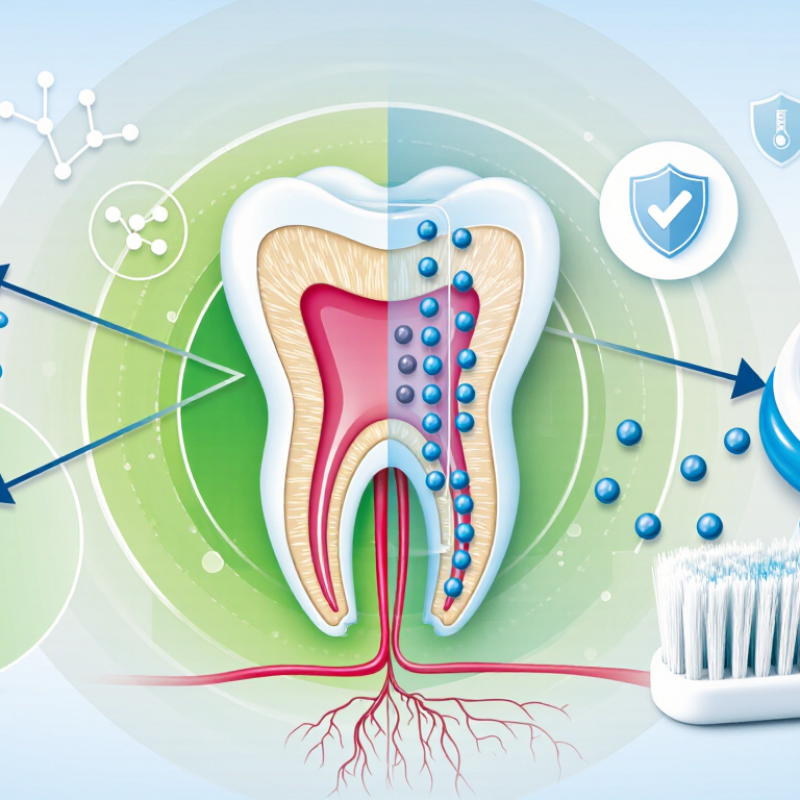
Anti-Sensitivity Toothpaste works in two main ways. Ingredients such as potassium nitrate may calm the nerve’s response over repeated use. Fluoride and stannous fluoride can strengthen weakened enamel and help block open dentinal tubules. Some formulas use arginine or calcium-based compounds to create a protective layer over sensitive areas. The exact effect depends on the product, brushing habits, and the cause of sensitivity.
Relief is not always immediate.
Most users need consistent brushing for several days or weeks. A soft-bristled toothbrush and gentle pressure can also reduce further enamel wear. However, toothpaste cannot correct every problem. A cracked tooth, deep decay, gum disease, or a worn filling may require professional treatment instead.
The science is helpful, but not perfect. Sensitivity does not always have one clear cause, and improvement can vary from person to person. A dentist can examine the painful area and recommend a suitable formula. Look for established active ingredients, follow the label, and avoid switching products too quickly. Small details matter, especially when pain keeps returning.
What Anti-Sensitivity Toothpaste Is
Anti-sensitivity toothpaste is a toothpaste made to reduce discomfort from exposed, sensitive teeth. The discomfort may feel like a quick, sharp twinge when you sip something cold, eat sweets, or breathe in chilly air. It often happens when gums recede or enamel wears down, exposing the dentin beneath.
Dentin contains tiny channels that can carry sensations toward the tooth’s nerve. Some formulas use potassium compounds to calm nerve activity. Others use ingredients such as stannous fluoride to help block those channels. Many also contain fluoride, which helps protect enamel against decay. The ingredients vary, so check the label rather than assuming every sensitive-tooth toothpaste works the same way. Relief may take regular use, and the toothpaste does not fix every cause of sensitivity. That part can be frustrating.
Tips: Brush gently with a soft-bristled toothbrush, using a pea-sized amount. Spit after brushing, and follow the product label. Give the toothpaste time to work. If pain persists, worsens, or affects one tooth in particular, ask a dentist to check for problems such as decay or a crack. Sensitivity can be ordinary, but guessing is not always wise.
What Is Anti-Sensitivity Toothpaste and How Does It Work?
Representative concentrations of commonly used desensitizing active ingredients
Anti-sensitivity toothpaste works mainly by calming exposed dentin nerves or blocking open dentinal tubules. Potassium nitrate helps reduce nerve response, while fluoride compounds support remineralization and can create protective mineral deposits. Arginine-based formulas help promote tubule occlusion. Concentrations are representative and may vary by formulation and local regulations.
Why Teeth Become Sensitive
What Is Anti Sensitivity Toothpaste and How Does It Work?
Why Teeth Become Sensitive
Tooth sensitivity often begins when enamel wears down or gums recede. These changes expose dentin, the softer layer beneath enamel. Dentin contains tiny channels leading toward the tooth nerve. Cold water, hot coffee, sweet foods, or even winter air can move fluid inside those channels. The nerve then produces a sudden, sharp response.
A Journal of Dentistry systematic review reported sensitivity estimates ranging from 1.3% to 92.1%. The wide range reflects different populations and diagnostic methods. It also shows why the condition is easy to misunderstand. Acidic drinks, aggressive brushing, gum disease, whitening treatments, cracked teeth, and untreated decay may all contribute. Sensitive toothpaste usually works in two ways. Ingredients such as potassium nitrate can calm nerve activity. Other ingredients can block exposed dentin channels. Relief may take several applications, not one night. It cannot repair a cavity or a cracked tooth.
Tips: Use a soft-bristled brush and gentle pressure. Brush twice daily with fluoride toothpaste. Avoid brushing immediately after acidic drinks. Rinse with water first. Notice the trigger and location. One loose detail matters: sensitivity in one tooth deserves professional assessment, especially with swelling, lingering pain, or pain when biting. Evidence is useful, but individual causes still vary.
What Is Anti Sensitivity Toothpaste and How Does It Work? - Why Teeth Become Sensitive
How Anti-Sensitivity Toothpaste Works
Anti-sensitivity toothpaste works by reducing how strongly exposed dentin reacts to cold, heat, sweetness, or touch. Dentin contains microscopic channels called tubules. When enamel wears or gums recede, these channels can connect outside triggers with nerves inside the tooth. A 2018 systematic review in the Journal of Dentistry reported prevalence estimates from 1.3% to 92.1%, showing how diagnosis and testing methods affect reported results.
One mechanism blocks the tubules. Ingredients containing calcium, phosphate, or arginine can help form mineral-rich deposits over these openings. Think of them as tiny plugs across a porous surface. Fluoride may also support enamel remineralization and improve resistance to acid exposure.
Another mechanism calms the nerve response. Potassium salts are designed to reduce nerve excitability after repeated use. The effect is gradual, not instant.
Use a soft brush and gentle pressure. Scrubbing harder can worsen gum recession and abrasion. Apply the toothpaste twice daily, following the product instructions, and avoid rinsing heavily afterward. Clinical results vary because sensitivity may come from decay, cracked teeth, acid erosion, or recent dental treatment. That matters. Toothpaste cannot correct every cause. In my experience, people often change products too quickly, before allowing several weeks for a clear response. Persistent, sharp, or localized pain needs professional assessment, especially when it interrupts sleep or chewing.
Common Active Ingredients and Their Roles
Anti-sensitivity toothpaste is designed for teeth that react sharply to cold drinks, sweet foods, or brushing. The discomfort often begins when enamel wears down or gums recede. These changes can expose dentin, a porous layer containing tiny channels connected to the tooth nerve.
Potassium nitrate is a common active ingredient. It may calm nerve activity by reducing the nerve’s response to temperature and touch. Relief usually develops gradually, not after one brushing. Stannous fluoride works differently. It helps strengthen exposed tooth surfaces and can create a protective layer over open dentin channels. Fluoride also supports enamel repair and lowers the risk of cavities.
Arginine, often combined with calcium-based minerals, may help block dentin channels at the surface. This reduces fluid movement, which is one explanation for sensitivity pain. The chemistry sounds simple. Real mouths are not. Saliva, brushing pressure, diet, and the cause of sensitivity can change results.
Use a soft-bristled brush and gentle, small movements. Scrubbing harder can worsen gum recession. Apply the toothpaste consistently, and avoid rinsing immediately if the product directions advise otherwise. Ingredients and strengths vary, so read the label carefully. Persistent, sudden, or one-sided pain needs professional assessment. Sensitivity can also signal decay, a cracked tooth, worn fillings, or gum disease. No toothpaste can reliably fix those problems.
How to Choose and Use It Safely
What Is Anti-Sensitivity Toothpaste and How Does It Work?
Anti-sensitivity toothpaste is designed for exposed dentine, where tiny channels can transmit cold or sweet sensations toward the nerve. Ingredients such as potassium nitrate may calm nerve responses. Fluoride and stannous compounds can also strengthen enamel and block open channels. Effects are usually gradual, not instant. The WHO Global Oral Health Status Report 2022 estimates that oral diseases affect nearly 3.5 billion people worldwide, so sensitivity should not be dismissed as a minor inconvenience.
How to Choose and Use It Safely
Choose a fluoride toothpaste containing about 1,350–1,500 ppm fluoride, unless a dental professional advises differently. Check the ingredient panel, especially if you have allergies or damaged oral tissues. Avoid highly abrasive whitening formulas when sensitivity is active. They may feel refreshing, but repeated abrasion can worsen exposed areas.
Use a soft-bristled brush twice daily for two minutes. Apply gentle pressure. Spit after brushing, but avoid rinsing immediately, following NHS guidance. A small smear can be applied to a sensitive tooth before bed, if the product label permits it. Do not swallow it. Give the routine several weeks.
A practical mistake is changing products every few days. Patience matters. However, sharp pain, swelling, fever, or sensitivity lasting beyond two to four weeks needs dental assessment. A 2019 systematic review in the Journal of Dentistry noted that evidence for desensitizing products varies by ingredient and study quality. Toothpaste can manage symptoms, but it cannot repair decay, cracks, or gum disease.
FAQS
It helps reduce sharp tooth discomfort from cold drinks, sweets, brushing, or chilly air. Relief may take time.
Receding gums or worn enamel can expose dentin. Its tiny channels may carry sensations toward the nerve.
It may calm nerve activity and reduce reactions to temperature and touch. One brushing is rarely enough.
It can strengthen exposed surfaces and form a protective layer over open dentin channels.
Fluoride supports enamel repair and lowers cavity risk. It cannot repair every cause of pain.
Use a soft-bristled toothbrush and a pea-sized amount. Make gentle, small movements instead of scrubbing hard.
Follow the product label. Some instructions advise spitting without immediate rinsing, but directions can vary.
Seek professional assessment if pain persists, worsens, appears suddenly, or affects one tooth. A crack or cavity may be involved.
No. It may ease symptoms, but it cannot reliably correct decay, cracks, worn fillings, or gum disease. Guessing can backfire.
Saliva, diet, brushing pressure, ingredient strength, and the underlying cause can change results. Real mouths are complicated.
Conclusion
Anti-Sensitivity Toothpaste is specially formulated to help reduce the sharp, temporary pain that can occur when teeth are exposed to cold, heat, sweet foods, or touch. Tooth sensitivity often develops when enamel becomes worn or when gums recede, exposing the softer dentin beneath. This exposed area contains tiny channels that allow sensations to reach the tooth nerve more easily.
Anti-Sensitivity Toothpaste works by either calming the nerve’s response or blocking these exposed channels, helping reduce discomfort with regular use. Common active ingredients may include compounds that limit nerve sensitivity or create a protective layer over vulnerable areas. When choosing a product, look for a suitable sensitivity-relief formula and consider your specific oral health needs. Brush gently with a soft-bristled toothbrush, use the toothpaste consistently, and avoid aggressive scrubbing. If sensitivity is severe, persistent, or focused on one tooth, consult a dental professional, as it may indicate decay, cracks, gum problems, or another condition requiring treatment.