
2026 Best Dentist Recommended Toothbrush for Global Buyers
Table of Contents
- What Makes a Toothbrush Dentist-Recommended in 2026?
- Manual and Electric Toothbrush Types and Their Uses
- Key Features Dentists Consider for Effective Daily Cleaning
- How to Match a Toothbrush to Different Oral Health Needs
- What Global Buyers Should Check Before Choosing a Toothbrush
- FAQS
- Conclusion
- Related Posts
Choosing the best Dentist Recommended Toothbrush in 2026 means looking beyond packaging and popularity. Global buyers face different product ranges, prices, replacement-head availability, and charging standards. A useful choice should fit your mouth, brushing habits, and local market.
A soft brush matters. Many dental professionals recommend soft bristles and gentle brushing, but individual needs can differ. This guide will compare manual and powered toothbrushes, including head size, handle comfort, pressure alerts, battery life, and ongoing costs. A compact head may reach crowded back teeth more easily, while a comfortable handle can help with control. Features are only helpful when they suit the person using them.
Look for clear product details and credible dental guidance, such as advice from your own dentist or recognized professional organizations where applicable. Approval marks and product standards vary by country, so check what they actually certify. For electric models, confirm that replacement heads are available locally and that charging works for your region. No single brush is best for everyone. That may sound less decisive than a ranked list, but it is more honest. The recommendations ahead aim to help buyers compare practical options, understand trade-offs, and choose a brush they can use consistently.
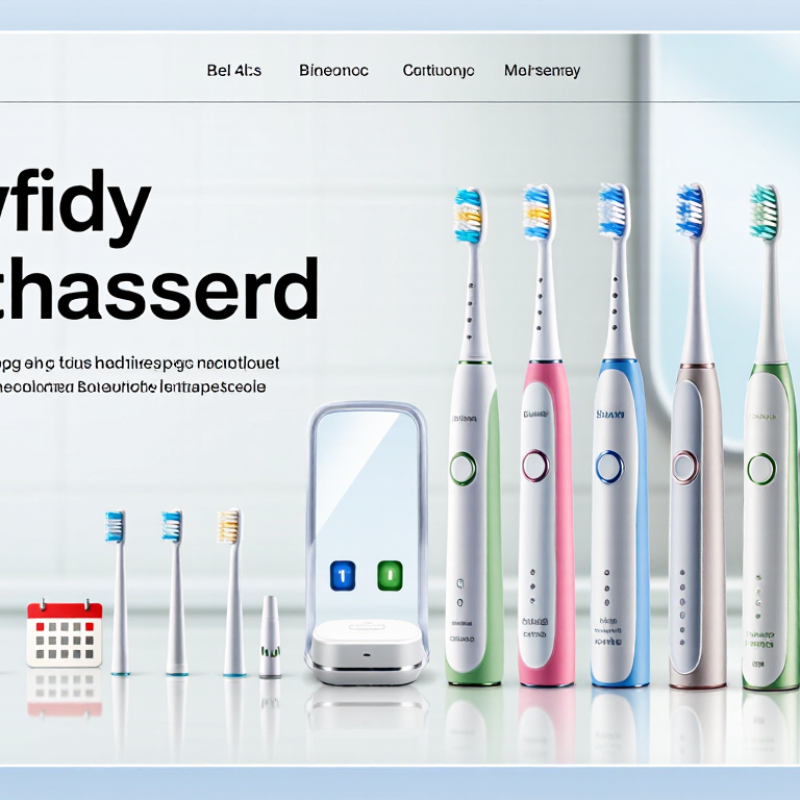
What Makes a Toothbrush Dentist-Recommended in 2026?
What makes a toothbrush dentist-recommended in 2026? It should clean effectively without damaging enamel or irritating gums. Dental professionals usually favor soft, rounded bristles and a compact head. These features help reach back teeth and reduce excessive scrubbing. A comfortable, non-slip handle also matters, especially for older adults or users with limited hand control.
For electric models, useful features include gentle intensity settings, a two-minute timer, and pressure feedback. These tools support better habits, but they cannot replace proper technique. I once focused too much on powerful vibration and brushed too hard. My gums felt sore afterward. That mistake is worth remembering. A reliable toothbrush should make careful brushing easier, not reward force. Buyers should also check replacement-head availability, charging requirements, and local electrical compatibility.
Tips: Choose soft bristles. Replace the brush when they bend. Brush for two minutes, twice daily. Hold it lightly and guide it along the gumline. If bleeding continues for more than a few days, seek advice from a qualified dental professional. Personal comfort varies, so the most expensive option may not be the best fit.
Manual and Electric Toothbrush Types and Their Uses
A dentist-recommended toothbrush should match the user’s habits, gums, and brushing technique. Manual toothbrushes are affordable, portable, and easy to replace while traveling. Choose soft, rounded bristles and a comfortable handle. They work well when users brush gently for two minutes, twice daily. However, pressure and rushed movements can leave plaque near the gumline.
Electric toothbrushes can support consistent cleaning with timed cycles and guided pressure. They may help people with braces, limited hand movement, or inconsistent brushing habits. A small oscillating or vibrating head can reach narrow areas, but it does not replace careful positioning. Keep the head at a slight angle toward the gumline. Move slowly across each tooth. Do not scrub hard. More power is not always better.
Tips: Replace either toothbrush every three months, or sooner when bristles spread. Rinse the head after brushing and let it air-dry. Travelers should protect the brush from dirty surfaces, but avoid sealing a wet head for long periods. Children need smaller heads and adult supervision. Sensitive users may prefer extra-soft bristles and lukewarm water. A useful reminder is simple: technique matters more than technology. Still, personal preference can mislead us; a comfortable brush may encourage regular use but overlook hidden plaque. Dental advice is especially important when bleeding, pain, or persistent sensitivity continues.
2026 Best Dentist Recommended Toothbrush for Global Buyers - Manual and Electric Toothbrush Types and Their Uses
| Toothbrush type | How it works | Common uses and suitable users | Practical advantages | Considerations |
|---|---|---|---|---|
| Manual soft-bristle toothbrush | The user moves the brush by hand to clean tooth surfaces and along the gumline. | Suitable for most adults and children who can brush carefully; useful for everyday home use and travel. | Simple to use, widely available, does not need charging, and provides direct control over brushing pressure. | Use gentle pressure and brush all surfaces for two minutes. A small head may make it easier to reach back teeth. |
| Oscillating-rotating electric toothbrush | A powered round brush head makes small rotations or oscillating movements. | May suit people who prefer guided brushing or find thorough brushing difficult with a manual brush. | Some powered-brush designs have been shown to reduce plaque and gingivitis compared with manual brushing, although results depend on regular, correct use. | Let the powered head do the work; guide it gently from tooth to tooth rather than scrubbing. Follow the product’s charging and head-replacement instructions. |
| Sonic or side-to-side electric toothbrush | The brush head moves rapidly from side to side to help clean teeth and the gumline. | May suit users who prefer a powered brush with a brush-head shape similar to a manual toothbrush. | Can make it easier to maintain a steady brushing routine; many models include a timer or pressure alert. | Use light pressure and follow the manufacturer’s brushing guidance. A timer is helpful but does not replace cleaning every tooth surface. |
| Battery-powered toothbrush | A replaceable or rechargeable battery powers movement of the brush head; movement varies by design. | May suit travelers or users seeking powered movement in a simple, portable format. | Often compact and convenient when access to charging is limited. | Battery-powered brushes vary in motion and features. Check battery availability, replacement-head compatibility, and the instructions for use. |
| Children’s toothbrush | Available as a manual or powered brush, typically with a smaller head and a handle sized for children. | Designed for children; caregivers should supervise brushing until the child can brush effectively and safely. | A smaller head can help reach a child’s back teeth. A comfortable handle may make brushing easier to manage. | Choose a soft-bristle brush appropriate for the child’s age and mouth size. Ask a dental professional about brushing supervision and fluoride toothpaste amounts. |
| Interdental brush | A small, narrow brush cleans between teeth where it fits. | May be useful for wider spaces between teeth, around bridges, or around orthodontic appliances, when the size is appropriate. | Can clean spaces that a regular toothbrush may not reach. | It is a supplementary cleaning tool, not a replacement for brushing. Do not force it into a tight space; a dental professional can help select the correct size. |
| End-tufted brush | A small cluster of bristles targets a limited area. | May help clean around braces, the backs of the last molars, or other hard-to-reach areas. | Provides more targeted access than a full-size brush in difficult spots. | Use it as an additional tool where needed; continue brushing all tooth surfaces with a regular toothbrush. |
Everyday care: Brush twice a day for two minutes with fluoride toothpaste and a soft-bristle toothbrush. Replace a manual brush or electric brush head about every three to four months, or sooner if the bristles are visibly worn. People with specific dental needs should ask a dental professional for personalized advice.
Key Features Dentists Consider for Effective Daily Cleaning
Effective daily cleaning depends on consistent contact with every tooth surface. Dentists commonly favor soft, end-rounded bristles because they clean gently along the gumline. A compact head can reach behind molars, while a non-slip handle steadies short, controlled strokes. Small details matter. The American Dental Association recommends brushing for two minutes, twice daily. A timer can help, but it cannot correct rushed or missed areas.
Brush design matters, though technique still counts. A 2014 Cochrane review included 56 trials with 5,068 participants. Powered brushes reduced plaque by 21% and gingivitis by 11% over one to three months, compared with manual brushes. These are average results, not a guarantee for every mouth. A pressure alert may help people who brush too forcefully, but a light hand remains important.
For global buyers, consider replacement-head availability, grip comfort, and whether the brush fits your daily routine. Extra cleaning modes may sound useful; many people may not use them consistently. A simpler brush used carefully can be the more practical choice. That is worth considering. Check the bristles regularly, too: frayed tips may be a sign to replace the brush.
2026 Best Dentist-Recommended Toothbrush: Key Daily Cleaning Guidelines
Practical brushing habits and replacement timing recommended by the American Dental Association.
Brush for 2 minutes per session, twice a day, and replace your toothbrush every 3–4 months—or sooner if the bristles are visibly frayed. Bar values use different units, so compare each value with its category label rather than with the other bars.
Source: American Dental Association (ADA), oral health recommendations.
How to Match a Toothbrush to Different Oral Health Needs
A toothbrush should fit the mouth it serves, not just the bathroom shelf. The World Health Organization’s Global Oral Health Status Report 2022 estimates that oral diseases affect nearly 3.5 billion people worldwide. That scale matters: buyers need options for different needs, not a single “best” brush. People with sensitive gums may prefer a soft-bristled brush and a compact head that reaches the back molars gently. For braces, a smaller head can help clean around brackets and wires. A dentist can advise on individual needs, especially after gum treatment or when brushing causes persistent bleeding.
Fit matters more than fashion. A person with limited hand mobility may find a thicker handle easier to control; children need a head sized for smaller mouths. Electric brushes can help some users maintain a consistent routine, but technique still counts. Even good advice can miss the mark when a brush feels awkward in daily use. Try it. Notice where the bristles reach, and whether the handle slips when wet.
Tips: Brush twice daily with fluoride toothpaste, using gentle pressure along the gumline. Replace a worn brush—frayed bristles do not clean as intended. For a specific condition, ask a dental professional rather than relying on packaging claims.
What Global Buyers Should Check Before Choosing a Toothbrush
2026 Best Dentist Recommended Toothbrush for Global Buyers
What Global Buyers Should Check Before Choosing a Toothbrush
A toothbrush must fit real routines, not just look advanced in a product photo. Check the head size, bristle softness, handle grip, and replacement-head availability. A compact head can reach behind the last molars; a non-slip handle helps when hands are wet. For electric models, compare battery life, charging options, and spare-part access in the destination market. Packaging should clearly state the brush type, care instructions, and intended age range. Small details matter.
Clinical evidence can help buyers judge claims. A 2014 Cochrane review of 56 trials found powered brushes reduced plaque by about 21% and gingivitis by 11% compared with manual brushes after three months. The review noted that evidence varied by brush design and study quality. That is useful context, not a guarantee for every user. Buyers should avoid treating extra modes or high-speed claims as proof of better cleaning. Sometimes, simpler is easier to maintain.
Tips: Check whether replacement heads are easy to source, and test the grip with damp hands. Ask suppliers for test reports, clear specifications, and consistent quality checks. I would also leave room for doubt: a toothbrush that performs well in a lab may feel awkward in daily use. Small user trials can reveal that gap.
FAQS
Look for soft, rounded bristles, a compact head, and a comfortable grip. These help clean near the gumline without encouraging hard scrubbing.
Not always. Electric models can support consistent brushing with timers and pressure feedback, but gentle technique matters more than power.
Brush for two minutes, twice daily. Guide the brush slowly along each tooth and hold it lightly.
Replace it about every three months, or sooner if the bristles spread. Bent bristles clean less reliably.
Check charging options, battery life, local electrical compatibility, and whether replacement heads are easy to find. A neat case is not enough.
Children usually need smaller heads and adult supervision. Electric models may help users with limited hand control, though positioning still matters.
A review of 56 trials found powered brushes reduced plaque by about 21% and gingivitis by 11% after three months. Results can vary.
Use a softer brush and reduce pressure. If bleeding, pain, or sensitivity continues, seek advice from a qualified dental professional.
Rinse it after brushing and let it air-dry. Avoid keeping a wet head sealed for long periods.
No. Comfort and steady use matter. A brush may feel pleasant but still miss plaque, so technique deserves a second look.
Conclusion
Choosing a Dentist Recommended Toothbrush in 2026 means looking beyond trends and focusing on effective, comfortable daily cleaning. Manual toothbrushes offer simple, controlled brushing, while electric options may help users maintain a consistent brushing routine. Dentists generally consider practical features such as soft bristles, a suitable brush-head size, comfortable handling, and easy access to hard-to-reach areas. The best choice depends on individual needs, including sensitive gums, orthodontic appliances, limited dexterity, or a preference for a particular brushing style.
For global buyers, it is also important to check product information, materials, durability, replacement-head availability, and suitability for the intended users and markets. Comparing these factors can help buyers select a toothbrush that supports everyday oral hygiene without relying on unnecessary features. A well-matched toothbrush, used regularly with proper brushing technique, can make daily cleaning more comfortable and effective.

Blog Tags: